Bio-Based Packaging Takes Centre Stage at Ceresana Event
Sustainable packaging is no longer just a “nice-to-have”: The first provisions of the new Packaging and Packaging Waste Regulation (PPWR) have been in effect throughout Europe since mid-August. Requirements for circularity, recycling, and composting will be gradually tightened over the next few years, as will disclosure requirements and threshold limits for hazardous substances. Many companies now have to adapt or completely reorient themselves. What solutions does bio-based packaging offer in this regard? Ceresana’s “Future of BioPackaging 2026” event on October 1, 2026 enables stakeholders and users, decision-makers and experts in the packaging industry to exchange ideas on the latest developments.
Online Event at the Forefront of Innovation and Research
How can eco-friendly packaging achieve commercial success in the marketplace and become widely adopted in everyday life? The keynote speakers at the Ceresana event are working on this: Markus Schmid at the Sustainable Packaging Institute in Sigmaringen, Agata Olszewska-Widdrat at the Leibniz Institute for Agricultural Engineering and Bioeconomy in Potsdam, and Pooja Dwivedi at the new Center for the Transformation of Chemistry near Leipzig. Two Fraunhofer researchers also promise inspiring presentations: Janne-Constantin Albrecht is developing innovative foams while Philip Mörbitz is creating recyclable, bio-based plastics. Jordi Palau from the ITENE Compostability Laboratory in Spain will provide insights, as will Reinhard Trumme from the Israeli-German biocomposite manufacturer Bioplasmar. Furthermore, the Belgian testing and consulting firm Normec OWS specializes in biodegradability and compostability.
Opportunities for the Bioeconomy
“Future of BioPackaging 2026” is already the second Ceresana conference on sustainable packaging made from renewable raw materials. The next editions of the international “Future of Bio” event series are also already being prepared: In November, the focus will be on biochemicals in general, followed in December by an event specifically on lignin, a bio-based alternative to fossil-based raw materials. Next year, “Future of BioEconomy 2027” will kick off a new and exciting series of events. In this way, Ceresana helps promising innovations and business models achieve a breakthrough: The bioeconomy is one of the most dynamic markets today.
“Future of BioPackaging 2026” will take place on October 1, 2026. The keynotes and panels will be presented in the morning via Microsoft Teams. In the afternoon, b2match will serve as a platform for networking.
Americhem Launches nPure and nZorb to Enhance Fiber and Nonwoven Performance
Americhem, a global leader in custom polymer solutions, today announced the launch of nPure and nZorb, two complementary PFAS-free functional additive technologies designed to engineer performance within the polymer matrix. Developed for fiber and nonwoven applications, the technologies help manufacturers address two critical performance requirements: durable odor control and moisture management.
As manufacturers continue to seek more durable, material-level solutions, functional additive technologies are gaining traction for their ability to deliver consistent performance while simplifying manufacturing by reducing reliance on separate topical treatment steps. By incorporating functionality within the polymer matrix, nPure and nZorb help customers engineer odor control and moisture management into fiber and nonwoven products while supporting processing efficiency and scalable commercial manufacturing.
nPure transforms odor control from a temporary surface treatment into an engineered material property. The PFAS-free, fragrance-free, and non-biocidal technology captures and reduces malodors without relying on topical finishes or antimicrobial chemistries, helping manufacturers improve freshness and consumer comfort. Independent testing demonstrates adsorption of sweat, body odor, and selected volatile organic compounds (VOCs), and the technology is compatible with PP, PE, PET, and bicomponent fiber systems. Designed for scalable commercial manufacturing, nPure supports hygiene, medical, fibers, nonwovens, textiles, automotive interiors, packaging, and recycled polymer applications.
nZorb transforms hydrophilic performance from a temporary surface effect into a PFAS-free, engineered material property. Incorporated within the polymer matrix, the technology improves wetting, wicking, absorbency, strike-through, rewet, and liquid transport while maintaining processing efficiency and endproduct performance. Designed for polypropylene-based fiber and nonwoven systems, nZorb supports hygiene, medical, wipes, filtration, and specialty nonwoven applications through application-specific optimization.
“Manufacturers are increasingly looking for material solutions that solve multiple performance challenges without adding manufacturing complexity,” said Parminder Agarwal, Chief Technology Officer at Americhem. “nPure and nZorb demonstrate how masterbatch formulation, polymer compatibility, and fiber processing work together to deliver application-specific functionality within the polymer matrix.”
Because odor management and hydrophilic performance depend on polymer chemistry, fiber architecture, processing conditions, and end-use requirements, Americhem works closely with customers to optimize formulations for specific applications. The company’s expertise in functional additive masterbatch, formulation, process optimization, and global manufacturing helps customers move from concept through scalable commercial production with confidence.
“Americhem is focused on building a portfolio of functional technologies that helps customers create differentiated value through their materials,” said Matt Miklos, Vice President of Corporate Strategy and Marketing at Americhem. “With nPure and nZorb, we are expanding the range of functional solutions we can bring to market as customers look for more durable performance, simplified manufacturing, and new ways to differentiate their products.”
The launch of nPure and nZorb reflects Americhem’s continued investment in functional additive technologies designed to help manufacturers address evolving application requirements through performance engineered within the polymer matrix.
Clariant Catalysts Awarded Supply Contract for World’s Largest PDH Unit
Clariant has been awarded a contract by ZPC to supply its CATOFIN catalyst and HGM for the world’s largest licensed PDH unit, with a capacity of 1.2 million metric tons per annum in China.
The propylene produced at the new unit will feed into the production of high-value petrochemical derivatives.
CATOFIN, a joint offering from Clariant and Lummus, delivers outstanding propylene yields, reliability, and cost efficiency, backed by over 60 years of continuous improvement and with over 40 projects awarded since 2017.
Clariant, a sustainability-focused specialty chemical company, today announced it has been awarded a contract by Zhejiang Petroleum & Chemical Co., Ltd. (ZPC) to supply its CATOFIN catalyst and Heat Generating Material (HGM) for a new propane dehydrogenation (PDH) unit in Zhejiang Province, China. With a nameplate capacity of 1.2 million metric tons per annum, the unit will be the world’s largest licensed PDH unit.
“The award of the largest PDH unit is a defining moment. ZPC’s decision to select CATOFIN for this flagship investment is a strong reflection of the performance and reliability our catalyst technology has demonstrated across the industry,” said Jace Wang, Vice President and Head of Propylene, Business Unit Catalysts, Clariant.
The choice by ZPC shows how the industry approaches large-scale PDH development. At the heart of this technology is a close collaboration between Lummus, who brings the process expertise, and Clariant, who supplies the catalyst innovation. The result is a seamlessly unified offering that gives operators what they need most: strong propylene output, outstanding performance, and competitive costs.
The propylene produced at the new unit will feed into the production of high-value petrochemical derivatives, supported by additional propane feedstock made available through ZPC’s ongoing upstream refinery expansions.
“ZPC’s decision to entrust Lummus with the largest PDH unit ever built speaks to the proven performance of CATOFIN technology and the depth of our partnership,” said Romain Lemoine, Chief Business Officer, Lummus Technology. “As customers pursue increasingly large-scale projects to meet growing propylene demand, CATOFIN’s track record of meeting or exceeding design capacity demonstrates its technical reliability and reinforces its strong position as a trusted solution for PDH operators worldwide.”
With over 60 years of continuously improved performance, CATOFIN’s high reliability and selectivity have consistently delivered outstanding production output. Since 2017, CATOFIN has been selected for several new PDH awards globally, representing more than 40 projects around the world.
Commercial Vehicle Industry to Present more than 150 World Premieres and new Products at IAA TRANSPORTATION 2026
The logistics sector is a cornerstone of our economy – Industry has gone first, Berlin and Brussels now have to deliver – Conditions for the transformation are not keeping pace – Suppliers remain the backbone of IAA TRANSPORTATION – Autonomous and automated driving as a key focus – More test drive options than ever before
Once again this year, IAA TRANSPORTATION 2026 confirms its role as the leading international event for the future of road freight transport. With more than 70 percent of exhibitors coming from outside Germany, the show holds the high level of international participation reached at the last edition. Roughly one third of all exhibitors at IAA TRANSPORTATION 2026 are taking part for the first time this year. In total, exhibitors are presenting more than 150 world premieres and new products. This year’s IAA TRANSPORTATION will be opened by German Federal Minister for Transport Steffen Bilger. Lower Saxony’s Minister-President Olaf Lies and Hannover’s Mayor Belit Onay will also speak at the opening ceremony, alongside the president of the German Association of the Automotive Industry (VDA), Hildegard Müller.
This year’s theme, “We Deliver”, sets the tone as exhibitors showcase digital and climate-neutral mobility solutions for the future of road freight transport. The focus is on innovative drive systems, digital technologies, and solutions for a zero-emission, high-performance commercial vehicle industry. At today’s press conference, VDA President Hildegard Müller emphasized the central role the logistics sector plays in the economy and in society.
“The logistics industry delivers every day and keeps Germany and Europe running. It gets food onto supermarket shelves, orders to people’s doors, and parts into factories. The automotive industry is creating the conditions for logistics to keep developing in a climate-neutral and digital direction,” Müller said.
The numbers show just how much road freight matters: it accounted for roughly 84 percent of transport volume in Germany in 2024. Last year, road freight in Germany covered more than 20 billion kilometers and moved around 2.8 billion metric tons of goods. “Our industry is not just one part of the economy among many. It is a cornerstone of our economy. Around 140,000 people are employed directly in the commercial vehicle industry – roughly one in five automotive industry jobs in Germany,” Müller said.
Industry has delivered, policymakers still owe their part
Müller underlined the industry’s ambition and its commitment to climate protection: “Around 30 percent of road transport CO₂ emissions in Europe come from heavy-duty vehicles. The potential for cutting emissions is correspondingly large. German manufacturers have already developed the technologies needed: battery-electric trucks with ranges of more than 500 kilometers are available today. Hydrogen trucks achieve ranges of roughly 700 to 800 kilometers. We have gone first, with real commitment and substantial investment – we have developed the vehicles and the solutions to make climate-neutral transport possible. Now it is Berlin and Brussels that must deliver: we need the right conditions for charging infrastructure and hydrogen refueling stations, the grid connections to go with them, affordable electricity prices, and a reliable power supply. These are decisive factors in a purchasing decision. They are also the biggest limiting factors we face – and they fall squarely within the responsibility of Berlin and Brussels. Those conditions – above all the infrastructure that is needed – are largely not in place, and in some cases not even planned.”
Wide gap between ambition and reality
Figures recently published by the German Association of the Automotive Industry on charging and hydrogen refueling infrastructure in Europe (Climate-friendly commercial vehicles | VDA) demonstrate this challenge. There is still considerable ground to make up in the build-out of charging and hydrogen infrastructure. By 2030, around 35,000 publicly available MCS fast-charging points for heavy-duty vehicles will be needed across Europe, some 4,000 of them in Germany. In total, up to 50,000 truck-capable charging points will be required EU-wide. Currently, however, a mere 730 charging points with a minimum output of over 350 kW are available EU-wide exclusively for heavy-duty commercial vehicles. At mixed-use locations, there are just under 2,000 public charging points for heavy-duty commercial vehicles.
Hydrogen infrastructure is lagging just as far behind: only around 216 hydrogen refueling stations for road freight are currently available across Europe. The German Association of the Automotive Industry expects that by 2030, Europe will require around 2,000 truck-capable hydrogen refueling stations with a capacity of roughly 2 metric tons of hydrogen per day.
Looming penalties are a question of survival for many companies
“Brussels and Berlin have an obligation to move ahead on the conditions for infrastructure build-out with determination and ambition. The CO₂ fleet regulation, with penalties that are a question of survival for many companies, must be brought in line with reality. The necessary infrastructure isn’t in place, grid connections are missing, permits take years, and at the same time the economics are becoming increasingly difficult for the industry and freight carriers. All of this shows, that policymakers have not yet done enough of their part. The automotive industry has delivered, but the targets that have been set cannot be met under the conditions that currently exist,” Müller said.
Müller also made a broader point: “The transformation will only become a success story if it brings together prosperity, growth, and employment. For that to happen, policymakers in Brussels and Berlin finally have to put their full weight behind the international competitiveness of Germany and Europe as places to do business. A strong business location is the best answer to intensifying international competition.”
A strongly international lineup promises breadth
The figures presented at the press conference make it clear: IAA TRANSPORTATION 2026 is staying true to its international character. More than 70 percent of exhibitors come from outside Germany. At the same time, a large number of newcomers is adding extra momentum: roughly one third of exhibitors are taking part in IAA TRANSPORTATION for the first time in 2026.
“The high level of internationality and the large number of first-time exhibitors show how attractive IAA TRANSPORTATION is as a global platform for the commercial vehicle, logistics, and transport sectors. It brings established market leaders, innovative companies, and new players together, creating space for exchange, partnerships, and new business ideas,” said Jürgen Mindel, VDA Managing Director.
Suppliers and body manufacturers are once again a central element of IAA TRANSPORTATION 2026. With more than 766 exhibitors, suppliers remain the backbone of the event. Nearly one in two exhibitors comes from this segment. Body manufacturers are the second-largest exhibitor group at IAA TRANSPORTATION after suppliers, with 240 exhibitors.
“The large number of small and medium-sized businesses among the exhibitors, the more than 150 world premieres and new products, the solutions to a huge range of challenges – all of it is a striking demonstration of the innovative strength and breadth of our industry across the entire value chain,” Mindel said. The supplier industry in particular, he added, is proving how decisive its contribution is to making transport and logistics more efficient, more digital, and more sustainable, and to making the transformation work.
Record numbers for the IAA Test Drives
Visitors won’t just see how far the transformation has already come at the exhibitor booths – they can experience it for themselves. The IAA Test Drives schedule has once again been expanded significantly for 2026. A total of 84 vehicles from 17 exhibitors are available for test drives on the show grounds and on public roads – 40 percent more than in 2024. Every available slot was booked by exhibitors immediately. Visitors with the appropriate driver’s license can book test drives on site at the departure terminal in Hall 14/15.
“You can’t grasp progress from a spec sheet, you have to get behind the wheel. That is exactly why we worked with our exhibitors to expand the IAA Test Drives so substantially,” Mindel said. “The strong demand from exhibitors shows that IAA TRANSPORTATION is the place to present innovations to the world and make them tangible right away.”
More than 200 speakers discuss the future at the IAA Conference
The strategic questions of the transformation take center stage in the IAA TRANSPORTATION Conference program. Across three stages – the Main Stage, the Industry Stage, and the new prototype.club Stage – the IAA Conference offers more than 100 program items with over 200 speakers. Representatives of leading companies will discuss electrification, software-defined vehicles, and the economic resilience of the commercial vehicle industry, among other topics. The industry’s most prestigious awards will be presented as early as Press Day on September 14. They include the International Truck of the Year, the Van of the Year, the Trailer of the Year, and the Truck Innovation Award. The 112 press conferences exhibitors have registered for Press Day are a clear sign that companies are deliberately using IAA TRANSPORTATION as an international platform to introduce their new products and innovations to a global professional audience. The event’s international standing is also reflected in the number of accredited media representatives: around 580 journalists from around the world are expected.
Drivers’ and Family Weekend sends a signal of appreciation on World Children’s Day
IAA TRANSPORTATION puts the people behind logistics center stage. VDA Managing Director, Jürgen Mindel: “With the Drivers’ and Family Weekend, we want above all to recognize the people whose daily work keeps the economy running in Germany and Europe. It is important work, but for drivers it is often a hard job. That is why we want to give drivers and their families a special experience at IAA TRANSPORTATION with the Drivers’ and Family Weekend – fittingly, on World Children’s Day, which takes place on September 20.”
Stop Losing Margin: Closed-Loop Control in PVC Pipe Extrusion
How intelligent process control turns hidden material loss into measurable margin improvement
PVC pipe extrusion plants rarely lose profitability through one dramatic event. More often, margin disappears quietly, through slightly excessive wall thickness, repeated manual corrections, gradual die imbalance, changing material behavior, and unstable output. Each deviation may seem small, but over thousands of tonnes of annual production, the cumulative cost can be substantial. The central challenge is therefore not simply producing pipe. It is producing every meter consistently, close to the target specification, with minimal intervention and avoidable material consumption.
Many producers deliberately operate above the minimum specification to reduce the risk of underweight pipe. This safety margin protects quality, but it also embeds unnecessary material cost in every product. Consider a plant producing 10,000 tonnes annually, with material costing ₹1 lakh per tonne and an average overweight of 6%. This represents 600 tonnes of additional material, worth approximately ₹6 crore. If closed-loop control reduces the average overweight from 6% to 3%, the potential saving would be around 300 tonnes, or ₹3 crore per year. Actual results depend on the product mix, dimensions, material prices, line utilization, and current process stability, but the principle remains clear: unnecessary kilograms directly erode margin.
Manual intervention alone cannot eliminate this loss. Skilled operators remain essential, yet even the most experienced team cannot continuously detect, interpret and correct every disturbance during long production runs. Wall-thickness drift, temperature variation, changing bulk density, and output fluctuations can develop between checks. By the time the deviation becomes visible, hundreds of meters may already have been produced outside the optimum range. Closed-loop automation changes this dynamic by continuously measuring critical variables, comparing them with set targets, and automatically adjusting the process. Instead of waiting for a correction, the line becomes self-correcting.
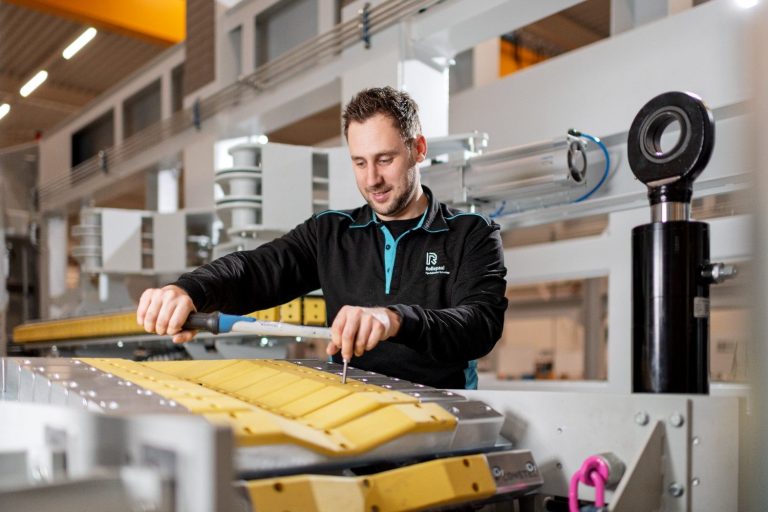
Rollepaal combines three complementary control loops to support stable, efficient PVC pipe production: Meter Weight Control, Automatic Thermal Centering, and Gravimetric Output Stabilization.
Meter Weight Control addresses overweight drift. Using wall-thickness measurement, the system automatically adjusts haul-off speed to maintain the required pipe dimensions. The value lies not only in seeing the deviation, but in correcting it immediately. Producers can run closer to the target specification, reduce raw-material consumption and maintain greater consistency over long runs. The opportunity is especially significant in large-diameter production, where even a small amount of unnecessary wall thickness adds considerable material cost.
Automatic Thermal Centering stabilizes wall-thickness distribution around the pipe circumference. Uneven walls are often linked to thermal imbalance in the die head, traditionally requiring repeated operator adjustments. Rollepaal’s system uses wall-thickness data to continuously control individual die-head temperature zones. It corrects wall distribution while the line remains in production, supports faster and more stable start-ups, and reduces the need for manual die adjustments. The result is consistent geometry with fewer interruptions and less dependence on individual operator experience.
Gravimetric Output Stabilization controls the material throughput that stable pipe dimensions depend on. PVC dry blend can behave differently from batch to batch, and changes in bulk density or dosing can disrupt extruder output. Gravimetric equipment continuously measures actual throughput and adjusts dosing to keep output consistent. By compensating for material variation at its source, the system reduces process fluctuation, supports smoother downstream operation, and gives the other control loops a more stable foundation.
Together, these technologies transform extrusion from reactive firefighting into controlled production. Operators retain oversight and process expertise, but repetitive corrections are handled automatically and earlier. This enables personnel to focus on quality, optimization, and exception management rather than constantly chasing the process. It also makes performance more repeatable across shifts, improves resilience when experienced labor is scarce, and helps shorten the path from start-up to stable production.
For plant managers, the benefits are practical: less scrap, fewer adjustments, steadier runs and more predictable product quality.
For business leaders, the outcome is strategic: lower material overconsumption, stronger margins, and a production system that delivers consistent results with less variability.
The fastest line is not necessarily the most profitable; the line that stays stable and produces close to target often creates greater value.
A useful first step is to quantify the hidden loss already present in the process. Multiply annual production volume by material cost and average overweight percentage. The result provides an estimate of the annual material value being consumed above target. From there, producers can assess how closed-loop control could recover part of that value while strengthening quality and operational consistency. Because the three loops address dimensions, wall distribution, and material throughput as one connected process, improvements are reinforced rather than isolated. This integrated approach creates a stable operating window in which every measurement can trigger the appropriate response, helping the line remain close to target even when conditions change.
In today’s market, where raw-material costs, quality demands, and pressure on skilled labor continue to rise, process stability is more than an engineering advantage. It is a margin advantage.Learn more about Rollepaal’s closed-loop control solutions.
Engineering Precision: LEO Precision’s Impact on India’s Mould Industry
Leo Precision Pvt. Ltd. is of one of India’s leading mould-manufacturers, specializing in PET preform moulds, ISBM moulds, and Cap & Closure moulds. LEO Precision is an organization whose vales are rooted in technical proficiency, innovation-forward thinking, and quality-oriented process, through which LEO Precision has made a significant contribution to India’s precision mould-manufacturing industry and contributes to higher productivity for their customers.
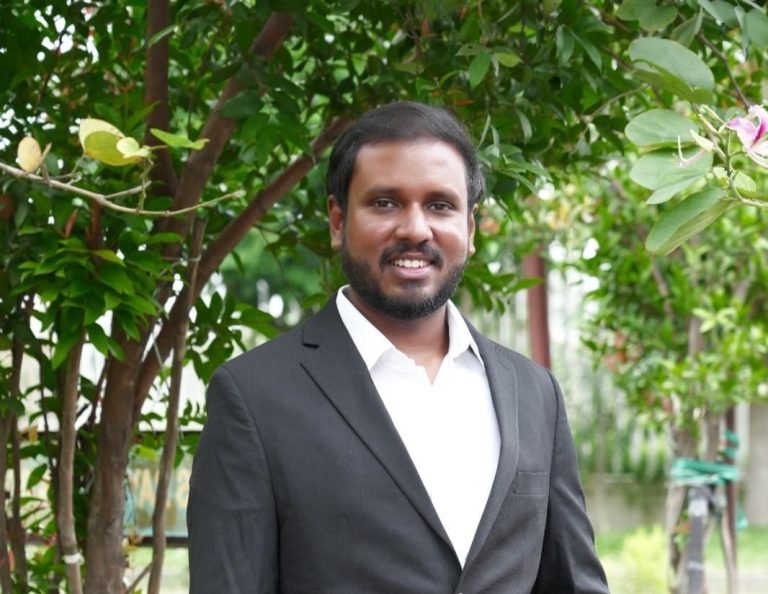
Mr. Senthil Kumar, Founder and Managing Director, established the organization in 2010, with the journey beginning in a modest 1,000 sq. ft. facility. With a clear vision and unwavering determination, he has since transformed the company into a state-of-the-art manufacturing organisation spanning over 175,000 sq. ft. in Silvassa. This remarkable growth reflects his strategic thinking, commitment to excellence, and ability to adapt to the evolving needs of the packaging industry.
In this journey of 16 years, LEO Precision has become a trusted partner for customers across India and global markets. Organization’s commitment to customer satisfaction remains the foundation of achieving excellence with consistency. This achievement is underpinned by a proactive workforce, innovative mould designing, and world-class machinery- a combination that has strengthened the company’s manufacturing capabilities and elevated product quality. By consistently meeting international standards, the company has built long-term relationships founded on trust, quality, and reliability. Today, Leo Precision is recognised for its engineering excellence, dependable technical support, and timely delivery.
LEO Precision pioneers the making of hipster bottle moulds for ISBM (single-stage) machines, supplying to major players in the liquor industry. Beyond this, the company manufactures bottle moulds for a diverse range of industries, including Pharmaceutical, Medical, Household, Chemical, FMCG Food, Beverage, Cosmetics, Personal Care, and Edible Oil containers; enabling customers to achieve higher productivity on the same machine, across DPH and DPW standard machines.
In PET injection moulding, LEO Precision is equipped with the complete capabilities to deliver solutions built on high-precision machining, ensuring consistency across all stacks and enabling seamless cavity-to-cavity and mould-to-mould interchangeability of inserts. Their Cold-Half range extends up to 144 cavities, complete with integrated post-cooling systems.
In Caps and Closures moulds, LEO Precision offers a comprehensive range of solutions; from simple bump-off and flip-top caps to complex moulds featuring in-mould closing and un-screwing mechanisms. These high-precision caps and closures moulds are engineered for consistent performance, superior sealing, and high-speed production, meeting global packaging standards across diverse industries.
LEO Precision’s newest turn-key project is LPM-100, an 4-stage Injection Stretch Blow Moulding machine which is high-performing due to its technical superiority supported by intelligent Servo systems, and automation-integrated systems. These features enable the user lower operation cost and higher machine life. This project marks the first of many under LEO Precision’s “M2M: Moulds to Machines” initiative, through which the company commits to delivering customers an end-to-end packaging solution, from mould to final bottle.
Beyond business achievements, LEO Precision has purposively contributed to the industrial development of Silvassa by generating employment, supporting skill development, and promoting advanced manufacturing practices. These efforts have strengthened the regional manufacturing ecosystem while contributing to the growth of India’s precision engineering industry.
Looking ahead, LEO Precision’s vision is to keep expanding Leo Precision‘s global presence through advanced technology, continuous innovation, and strategic partnerships. Guided by the organization’s philosophy, “You ideate, we shape it,” the organization remains committed to delivering world-class engineering solutions and inspiring the next generation of manufacturing leaders through precision, quality, innovation, and customer excellence.
Smart Water, Greener Future: How TOM® and ecoFITTOM® are redefining sustainable infrastructure
All over the world, countries are facing a common challenge: ensuring access to clean water while reducing the environmental impact of infrastructure. As climate change places increasing pressure on natural resources, investing in efficient and sustainable water networks has become more important than ever.
At Molecor, sustainability is more than a commitment; it is a core principle that drives innovation. Through its advanced OPVC (oriented PVC) technology, the company develops hydraulic solutions that support the transition towards more resilient and environmentally responsible infrastructure. This approach is closely aligned with the United Nations Sustainable Development Goals (SDGs), particularly with SDG 6, which focuses on ensuring the availability and sustainable management of water and sanitation for all.
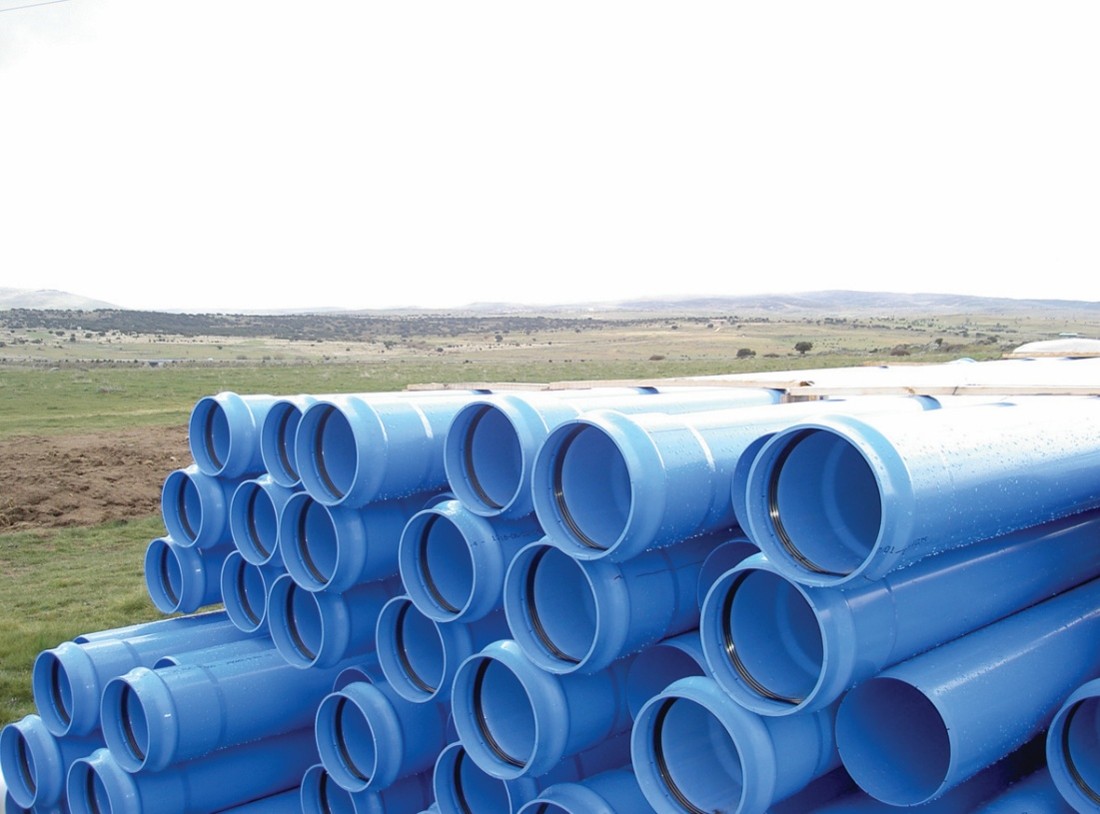
Leading this transformation, we find TOM® pipes and ecoFITTOM® fittings, the innovative solutions manufactured using Molecor’s exclusive Molecular Orientation technology. By reorganizing the molecular structure of PVC, mechanical performance is enhanced while reducing the amount of raw material required. The result is a lighter, stronger, and more efficient product than conventional alternatives.
Sustainability is integrated into every stage of the value chain. From manufacturing and transportation to installation and operation, TOM® and ecoFITTOM® are designed to minimize environmental impact through lower resource consumption, optimized energy use, long service life, and responsible material management.
TOM® pipes and ecoFITTOM® fittings have been presented as the most ecological solution of all those existing in the market, due to their better contribution to the correct sustainable development of the planet. In addition, TOM® pipes are remarkably lightweight, weighing less than half as much as PVC and PE pipes and between six and twelve times less per linear meter than equivalent cast-iron pipes. This fact facilitates handling, transport, and installation while reducing associated environmental impacts.
One of their main environmental advantages is a significantly lower carbon footprint. The manufacturing process requires less energy than many traditional pipe materials, generating up to 33% fewer CO₂ emissions.
The benefits extend beyond emissions reduction. TOM® and ecoFITTOM® contribute to the efficient use of natural resources by maximizing hydraulic capacity and minimizing water losses. PVC is also a resource-efficient material, as only 43% of its composition is derived from oil. Combined with lower energy consumption throughout the entire life cycle, these characteristics contribute to a more sustainable use of resources.
Circularity is another key pillar of their design. OPVC pipes and fittings are 100% recyclable. They can be ground and processed as rework material to be used in the manufacture of other plastic products with lower technical requirements. Combined with resource optimization and waste reduction strategies, this approach contributes to more responsible production and consumption patterns, in line with SDG 12.
Durability also plays a crucial role in sustainability. TOM® pipes and ecoFITTOM® fittings offer outstanding resistance to impact, fatigue, corrosion, and chemical degradation, ensuring reliable performance. A longer service life means fewer replacements, lower maintenance requirements, and reduced consumption of resources over time, while helping preserve water quality across the network.
By combining efficiency, durability, recyclability, and a reduced environmental footprint, TOM® and ecoFITTOM® demonstrate how innovative products can support smarter water management. Together, they provide a practical solution for building the sustainable, resilient infrastructure needed to meet the challenges of today and tomorrow.
Every Process. Every Product. Every Time- Quality First
Arun Plasto Moulders (India) Pvt. Ltd. — known in industry circles as APPL — is the flagship manufacturing enterprise of the Saro Group of Companies, one of India’s most diversified and respected private business groups. Headquartered in Chennai, Tamil Nadu, the Saro Group traces its origins to 1984, when founder Mr. P. Marimuthu established Arun Enterprises at the Guindy Industrial Estate to manufacture plastic processing machinery. That foundational business, now more than four decades old, continues to export to 32 countries worldwide — a quiet testimony to the enduring quality standards the group has maintained since its inception.
Mr. P.Marimuthu, Founder and Chairman, Arun Plasto Moulders (India) Pvt. Ltd.(SARO Group)
APPL itself was incorporated in 2004, created to harness the growing global demand for precision plastic components and high-quality packaging. Since then, it has grown into a nationally significant manufacturer operating across three Indian states — Tamil Nadu, Andhra Pradesh, and Uttarakhand — with a combined built-up area of 3 million square feet and a workforce of more than 800 skilled professionals.
“We began with the belief that Indian manufacturing could meet the world’s highest standards. Everything we have built since is proof of that conviction.”
Infrastructure & Scale
APPL’s manufacturing presence is anchored by four strategically located facilities, each purpose-built to serve distinct market segments. The flagship campus at Pillaipakkam, Sriperumbudur — a greenfield facility established in 2013 — houses three dedicated production units covering packaging, polycarbonate extrusion, and electronic plastic components respectively. The Haridwar facility in Uttarakhand was built expressly to serve the FMCG supply chains of multinational corporations. Two further facilities, at Guindy in Chennai and Rajamundry in Andhra Pradesh, complete the group’s national footprint.
The company’s production capabilities reflect its commitment to technological leadership. APPL operates more than 250 injection moulding machines — a remarkable 97 per cent of which are all-electric, underscoring its dedication to precision, energy efficiency, and environmental responsibility. Our fleet of machines consists of: Fanuc, JSW, Toshiba, Engel, TOYO, and so on. Complementing these are 15 thermoforming machines, 10 extrusion lines, and over 100 ancillary machines for pad-printing, hot foiling, wadding, and other value-added finishing processes.
Quality as an Operating Principle
Quality at APPL is not a department — it is the foundational operating principle of the entire enterprise. The company maintains a modern, fully equipped in-house QC laboratory, staffed by an expert technical team whose combined experience exceeds 40 years. Every production line is governed by rigorous quality management systems that consistently meet, and frequently exceed, international benchmarks — a fact affirmed by the company’s extensive certification portfolio and its long-standing relationships with some of the world’s most demanding corporate customers.
FOUR DECADES OF GROWTH & INNOVATION
The history of Arun Plasto Moulders is, in many ways, a microcosm of India’s own manufacturing transformation — a story of ambition meeting opportunity, and of a visionary founder who refused to confine his aspirations to a single decade or a single product line. What began as a machinery workshop in Chennai has, through sustained investment, strategic diversification, and an unwavering focus on quality, become one of South India’s most respected industrial groups.
Milestones That Shaped a Company
1984 — Arun Enterprises established at Guindy Industrial Estate, Chennai, manufacturing plastic processing machinery. The company begins what will become a 32-country export relationship spanning four decades.
2004 — Arun Plasto Moulders incorporated in Chennai. The company makes history as the first manufacturer in South India to produce laminated oval tubes for Oral care, establishing its early credentials in precision FMCG packaging.
2006 — Solar Compact established — the first CD and DVD manufacturing unit in South India — reflecting the group’s appetite for entering high-technology segments ahead of the market.
2007 — A second APPL facility inaugurated at Haridwar, Uttarakhand, built specifically to supply FMCG packaging to Unilever Ltd. This plant marks the beginning of one of APPL’s most enduring and defining corporate partnerships.
2010 — Arun Enterprises expands its northern presence with a second unit at Haridwar, consolidating the group’s manufacturing capability in Uttarakhand.
2013 — A landmark greenfield facility established at Pillaipakkam, Sriperumbudur — destined to become APPL’s most advanced and expansive campus.
2016 — A fourth facility launched at Rajamundry, Andhra Pradesh, dedicated to the agro-products packaging segment and extending APPL’s geographic and sectoral reach.
2017 — Unit 2 inaugurated at the Pillaipakkam campus for the manufacture of polycarbonate roofing sheets, further broadening the group’s product portfolio.
2019 — Unit 3 inaugurated at Pillaipakkam — a state-of-the-art facility dedicated entirely to electronic plastic components for the EMS (Electronics Manufacturing Services) sector, positioning APPL as a key partner to the booming Indian electronics industry.
2024 — Chairman Mr. P. Marimuthu honoured with the Lifetime Achievement Award by Modern Plastics India — the industry’s most prestigious individual recognition.
“Every facility we have opened has been a direct answer to a market need — and a statement of our faith in India’s manufacturing future.” Mr. P.Marimuthu
The Founder’s Vision
Driving each of these milestones is Chairman Mr. P. Marimuthu — a first-generation graduate and alumnus of CIPET Chennai, where he majored in Tool Design and Development. A self-made industrialist in the truest sense of the term, he identified the latent potential in precision plastic manufacturing long before the sector attracted the global attention it commands today. His progressive thinking led him to introduce several of the latest international technologies to India, significantly improving product quality and production efficiency across the business. Under his leadership, the Saro Group has not merely kept pace with industry evolution; it has, on numerous occasions, led it.
PRODUCTS, CUSTOMERS & GLOBAL REACH
APPL serves some of the world’s most demanding customers across four distinct and strategically chosen market segments. This breadth of portfolio is not accidental — it reflects a deliberate philosophy of building deep capability in each sector it enters, rather than pursuing superficial scale across many. From multinational FMCG corporations to global electronics manufacturers, from agricultural plastic aid products to specialised export food-grade packaging, APPL’s customer base is a roll-call of industry leadership.
FMCG & Consumer Packaging
APPL’s credentials in FMCG packaging run deep and has sustained multi-decade partnerships — producing high-volume, high-integrity packaging products from its purpose-built Haridwar and Chennai facilities. Its manufacturing capabilities are tailored to meet the speed-to-shelf and cost-efficiency demands that FMCG operations require, with process consistency that global supply chain auditors have repeatedly endorsed.
Notable FMCG Clientele
Unilever
Himalaya
Dabur
Bisleri
Marico
ITC
Godrej
and other prestigious partners
Electronics & Electrical
The company’s newest and fastest-growing segment, APPL’s electronics plastic components manufacturing capability is centred at its dedicated Unit 3 on the Pillaipakkam campus — inaugurated in 2019 in direct response to the surging demand from India’s electronics manufacturing ecosystem. The facility produces precision-moulded enclosures, connectors, housings, and sub-assemblies for leading domestic and international OEMs, operating to the tight dimensional tolerances and cleanroom-adjacent standards that the electronics sector demands. This segment positions APPL as a strategic domestic supplier to an industry that India has committed, at a national level, to developing into a global manufacturing hub.
Notable Electronics Clientele
Flex
Foxconn
BSH
Motherson
and leading EMS partners across domestic & global supply chains
Export Food Packaging
APPL manufactures a specialised range of food-grade trays and containers for international markets, including packaging for fish fillets and shrimps exported to the Japan and South East Asia. These products are produced to exacting food safety and international retail compliance standards, and the company exports to more than six countries including the USA, the United Kingdom, and the Middle East. This segment exemplifies APPL’s ability to operate at the intersection of manufacturing precision and regulatory rigour — a combination that few Indian plastics manufacturers can offer at comparable scale.
Notable Food Packaging Clientele
Kwality Wall’s
GRB Foods
Global suppliers for processed seafoods
and international food retail partners
Agro & Industrial Products
The Rajamundry facility in Andhra Pradesh serves the agricultural sector, producing packaging and component solutions for agro-industry applications. This is a segment in which APPL has earned specific external recognition — including the Plasticon Award for Contribution in the Agro Field — and one that reflects the company’s commitment to serving India’s rural and primary industry economy alongside its more high-profile corporate clientele.
Notable Agro Clientele
Kubota
Coromandel
Mahindra
and leading agro-industry partners across India
“Our customer portfolio is not a list of names — it is a record of trust earned, and standards met, over many years of disciplined partnership.”
Export Presence
Beyond its domestic operations, APPL exports to more than six countries across multiple continents. The USA, United Kingdom, and Middle East represent the primary destinations for its packaging products and components. Simultaneously, Arun Enterprises — the machinery arm of the Saro Group — maintains an independent export presence spanning 32 countries, carrying the group’s reputation for quality and reliability to a truly global audience. Together, these two businesses present a comprehensive picture of an Indian industrial group that has earned its place on the world stage.
OUR STANDARD
QUALITY, RECOGNITION & CORPORATE VISION
Excellence, at APPL, is neither claimed nor assumed — it is demonstrated through the certifications earned, the awards received, the audits passed, and the long-term partnerships maintained with customers who accept nothing less than the best. The company’s quality infrastructure is comprehensive: a modern in-house QC laboratory, an expert technical team with over 40 years of expertise, and quality management systems that align with the most rigorous international standards in force across its operating segments.
Awards & Recognitions
Over four decades, APPL and its founder have accumulated a distinguished array of industry honours that bear testimony to the company’s sustained excellence across quality, innovation, and social responsibility:
★Arch of Europe for Quality — International recognition for manufacturing excellence across European market standards.
★DuPont Award, USA — Conferred for outstanding innovation and quality performance in the plastics industry.
★Plasticon Award — Contribution in the Agro Field, recognising APPL’s impact in agricultural plastic product solutions.
★Best Entrepreneur Award by the Government of India, 2006 — Honouring the visionary business leadership of Chairman Mr. P. Marimuthu.
★Best Supplier (India) — Awarded by Unilever in recognition of sustained supply chain excellence and partnership integrity.
★Lifetime Achievement Award — Conferred by Modern Plastics India in 2024 to Chairman Mr. P. Marimuthu, in recognition of a career that has shaped an industry.
“Recognition matters — not because we seek applause, but because it affirms that we are building something of genuine and lasting worth.”
Corporate Vision & Culture
APPL’s corporate philosophy is articulated through six interconnected pillars that define how the company thinks, acts, and grows. Together, they form a coherent framework for sustainable, purpose-driven enterprise:
MISSION
To contribute to society by developing technologies that redefine the market — not merely keeping pace with change, but actively shaping it.
PROSPECT
To rely on team strength, make consistent progress, and grow organically toward market leadership — built on capability, not acquisition.
CORE
Quality. Commitment. Innovation. Three words, non-negotiable, that govern every decision made at every level of the organisation.
PEOPLE
To educate and encourage team members toward shared goals; to create an ecosystem of healthy dialogue, equal opportunity, and mutual respect across the entire organisation.
ENTERPRISE
To establish strategies in active partnership with clients, assuring their participation and upholding rigorous quality standards as a foundation, not an aspiration.
SOCIETY
To prioritise harmonious development between enterprise and community; to realise the value of the business and contribute meaningfully to the society within which it operates.
Surface Innovation Days 2026 Spotlights ENGEL’s Paint-Free Clearmelt Technology for Exterior Components
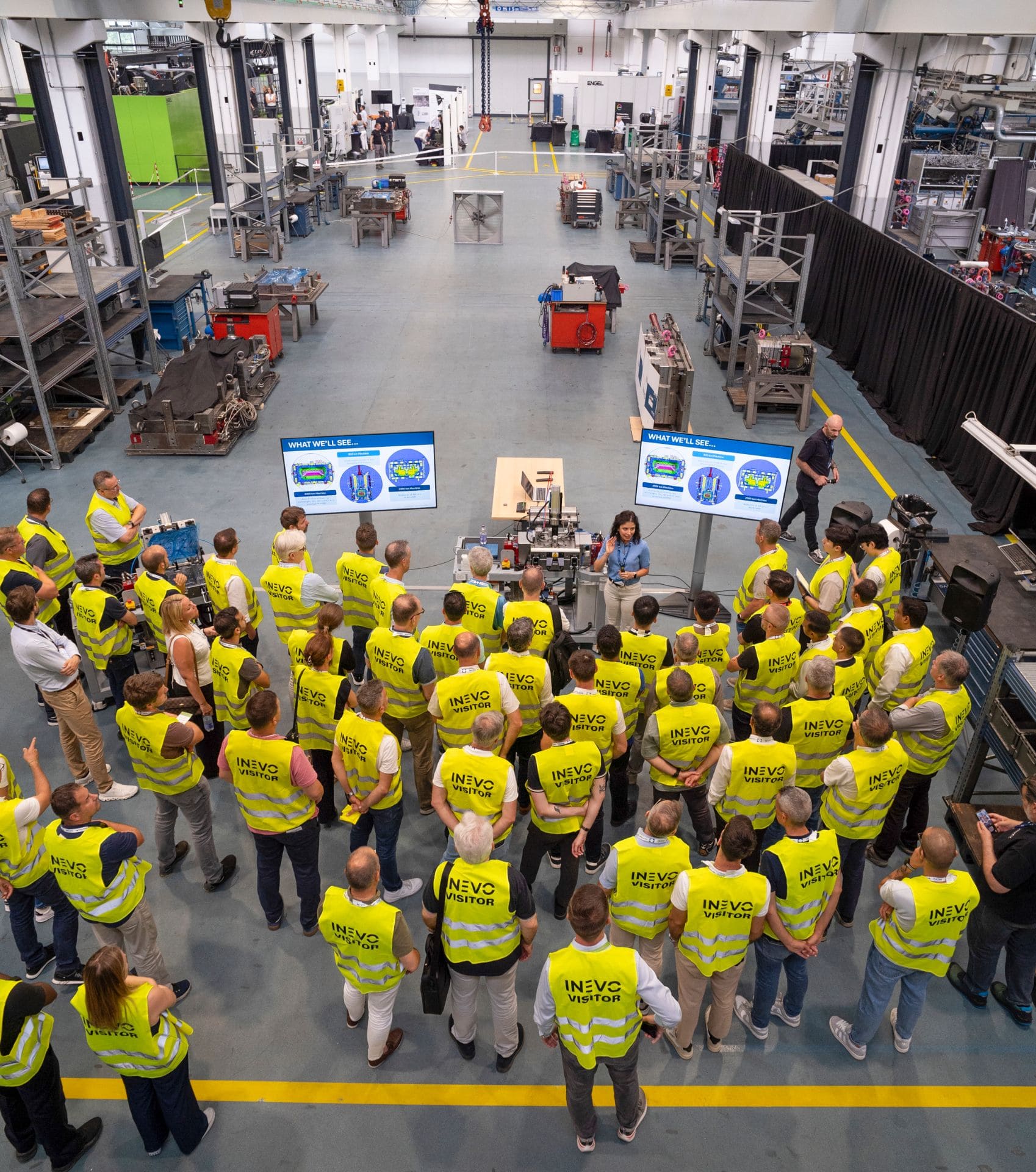
From 29 June to 2 July 2026, the ENGEL Surface Innovation Days 2026 took place at mould maker INEVO in San Polo di Piave. Over 300 trade visitors from around the world travelled to northern Italy for the event. The focus was on the economically viable flooding of components with polyurethane in the ENGEL clearmelt process, which produces scratch-resistant, self-healing Class A surfaces for large-format exterior components directly in the injection mould, without downstream painting or coating steps. Expert presentations by INEVO, ENGEL, Borealis, Mankiewicz and DNP, together with a multi-hour live demonstration on an ENGEL duo 4000 combi M two-platen injection moulding machine with 40000 kN clamping force, illustrated the high level of industrial maturity the technology has now reached for bumpers, bonnets, doors, roof modules and front and rear modules.
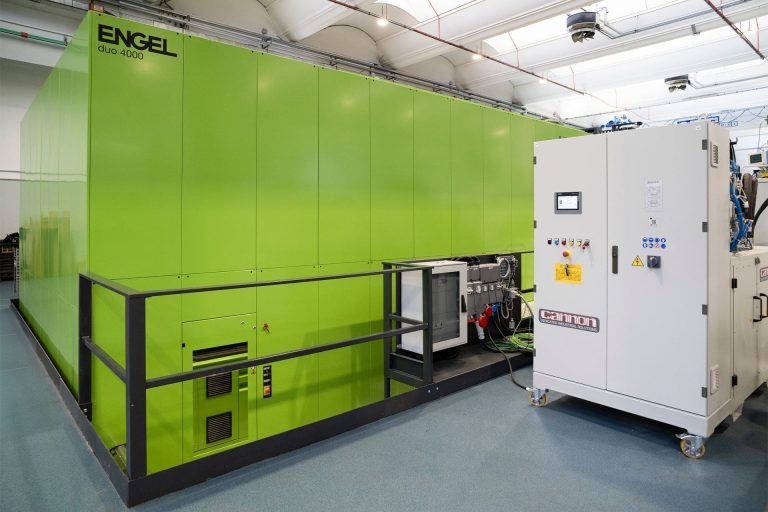
view into the mould area of the ENGEL duo 4000 combi M with 40000 kN clamping force. The turning-platen design allows several processes to be combined in a single mould, from film back-moulding to flooding with polyurethane. For processors, this means shorter process chains and lower unit costs in the production of large-format exterior components.
Flooding components with polyurethane directly in the injection mould produces high-quality, scratch-resistant, UV-resistant and weather-resistant surfaces in a single process step. The PUR systems used also show a high resistance to chemicals. Their self-healing effect causes smaller, non-abrasive scratches to disappear again even at room temperature. Downstream painting, coating and polishing processes are eliminated, as are capital-intensive and energy-intensive painting lines. The reject rate is also significantly lower than with conventional painting processes. This reduces unit costs, and CO₂ emissions fall by up to 60 %. Additional advantages include a high degree of design freedom and the ability to integrate functional films, for example for LiDAR and radar transparency or lighting functions, directly into the component. Colour and decor changes can also now be implemented during ongoing production far more easily than in a conventional painting line.
“The clearmelt technology has reached a decisive level of maturity in recent years,” said Dr. Clemens Kastner, Head of Business Development Mobility at ENGEL. “Machine technology, mould making, metering technology and materials have developed to a point where large-format Class A surfaces can now be produced economically in series production. With the ENGEL clearmelt Competence Center, we are pooling the necessary know-how and assuming overall responsibility for our customers, from the initial feasibility assessment through to series production.”
OEMs, ENGEL, INEVO and other partners used the event’s networking formats for professional exchange. The ENGEL clearmelt Competence Center, which brings systems, moulds, materials and metering technology together under one roof and offers processors shorter coordination paths and a faster time-to-market, was also a topic.
Reducing complexity in clearmelt projects and assuming responsibility from a single source
This bundled responsibility was the subject of a highly sought-after presentation by ENGEL at the event. Under the title “One Partner, One Solution: A New Era of Polyurethane Surfaces with ENGEL and the CCC”, the company outlined how machine, mould, material and metering technology for clearmelt applications can be brought together within a single organisation. The background to this is a market situation that has historically often been organisationally fragmented. Processors had to coordinate injection moulding machine manufacturers, PUR metering system suppliers, material suppliers and mould makers in parallel. This resulted in considerable coordination effort and additional interface risks.
With the clearmelt Competence Center (CCC), ENGEL assumes overall responsibility as a system supplier. Processors thus have a single point of contact throughout the entire project, from the concept phase through feasibility assessments and mould sampling to series production. This shortens coordination loops, reduces technical risks and accelerates time-to-market. The CCC operates internationally. Teams in Europe, North America and Asia collaborate across locations on applications, test planning and system design. For trials, a broadly equipped range of systems is available in St. Valentin alongside an ENGEL duo 5500 with 55000 kN clamping force, supplemented by additional capacities in Schwertberg as well as at partner mould makers and material manufacturers, including in Asia and North America. Trials can thus be placed flexibly, depending on component size, material system and logistical constraints. Enquiries to the CCC are channelled directly through the ENGEL sales organisation, so that processors receive an initial feasibility assessment and a suitable solution proposal within a short time.
On the ENGEL duo 4000 combi M, an ENGEL easix articulated robot handles the entire part handling. This fully integrated automation allows processors to operate the combined process chain of film back-moulding and PUR flooding as reproducible series production of components with Class A surfaces in short cycle times.
Producing large-format exterior components reliably in a single process
The live demonstration in INEVO’s technical centre showed just how far the industrial maturity now extends. On an ENGEL duo 4000 combi M configured as a turning-platen machine, a generic demonstrator component was produced over several hours: a bumper with an integrated front module that combines several previously separately manufactured components in a single part. The example illustrates the dimensions in which large-format exterior components can today be produced reliably and in a single continuous process.
The process chain combines several processes in one mould. First, an easix articulated robot places a 2D film in the vehicle body colour into the cavity. Infrared emitters integrated into the gripper heat the film, which is then thermoformed in the cavity. A second film bearing the brand emblem is then inserted and formed in a shallower contour. Both films are back-moulded together with polypropylene. After turning the centre platen, the front panel area is flooded with polyurethane in the second station. For processors, this continuous process integration means fewer components, less assembly effort in vehicle production, a shorter process chain and lower unit costs, with consistently high reproducibility of surface quality.
“Functional integration ranks high on the agenda in new automotive projects. Several individual parts become one highly integrated component,” said Andreas Popp, Managing Director at INEVO Germany. “With the ENGEL duo 4000 combi M in our technical centre, we are specifically expanding our component range to include large-format exterior components such as bonnets, bumpers and roof modules. The decisive factor for us was that the system combines the full range of processes required for this, from film back-moulding to flooding with polyurethane.”
Over 300 trade visitors from around the world came to the ENGEL Surface Innovation Days 2026 at INEVO’s technical centre in San Polo di Piave. They learned about economically viable solutions for the integrated surface finishing of large-format exterior components, which replace downstream painting processes and reduce unit costs.
With this machine, INEVO is also creating a joint testing facility with ENGEL. Processors and OEMs can qualify new component concepts and mould designs under realistic conditions before series production begins. The high demand for the test capacities in San Polo di Piave shows that interest in integrated surface solutions extends well beyond the established European markets.
Replacing painting lines and integrating functions directly in the component
The Surface Innovation Days also highlighted the market context in which this development is taking place. Painting lines account for a significant share of the CO₂ footprint in vehicle production and are both cost-intensive and maintenance-intensive. At the same time, functional integration in exterior components is increasing. The conventional bumper is evolving into a component that accommodates air intakes, headlamp housings, sensors and grilles. clearmelt surfaces meet the optical and mechanical requirements of such integrated components and in many applications replace painting entirely.
Material development is supporting this transition. Polypropylene as a substrate material is gaining importance in exterior applications because it offers cost advantages and supports requirements such as pedestrian protection. Borealis presented new material solutions for the combination with clearmelt at the event. PUR layer thicknesses have also been continuously reduced, which further lowers material costs and CO₂ footprint. The BMW iX kidney grille marked the first large-scale series application in exterior a few years ago. Roof modules, front structures, doors and accent components are now among the most frequently requested new applications.
Preparing the entry into clearmelt in a structured manner
For processors considering a transition from painting to clearmelt, the starting position has improved considerably. Machine technology, mould concepts, materials and metering technology are now series-ready. With the CCC, ENGEL provides the industrial framework to approach this step in a structured manner and with manageable risk. Early trials under realistic conditions deliver a robust data basis on component quality, cycle time and unit costs before processors commit to a series investment. This allows requirements, mould concept and system design to be aligned during a phase in which changes can still be implemented efficiently. Processors thus safeguard their investment decisions and shorten the path to stable series production.
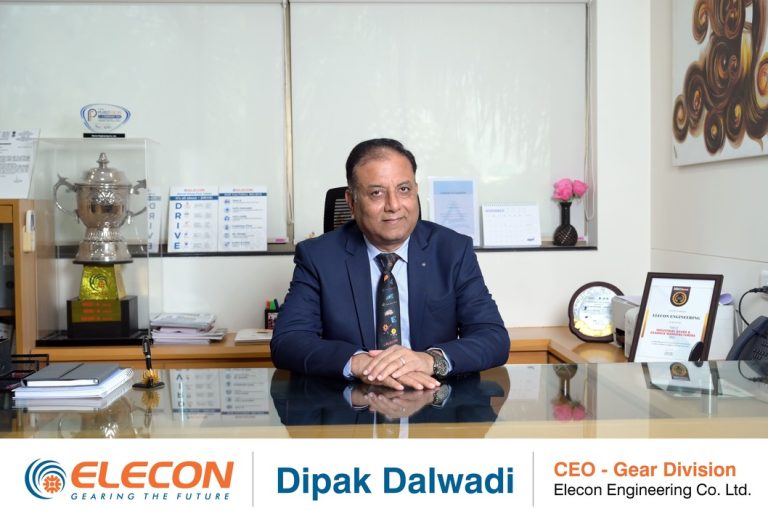
Elecon’s Enduring Legacy: 75+ Years of Innovation and Global Engineering Excellence
How is technology shaping the future of Elecon?
Technology lies at the core of Elecon’s future strategy, driving its transformation from a traditional gearbox manufacturer into a smart, innovation-led solution providing engineering partner for leading industries across the globe.
The company is actively embracing Industry 4.0 by integrating advanced manufacturing practices and real-time data analytics. This enables enhanced product reliability and supports predictive maintenance, helping customers minimize downtime and significantly improve plant efficiency—an essential requirement for continuous-process industries such as power, cement, sugar, plastics, rubber, and others.
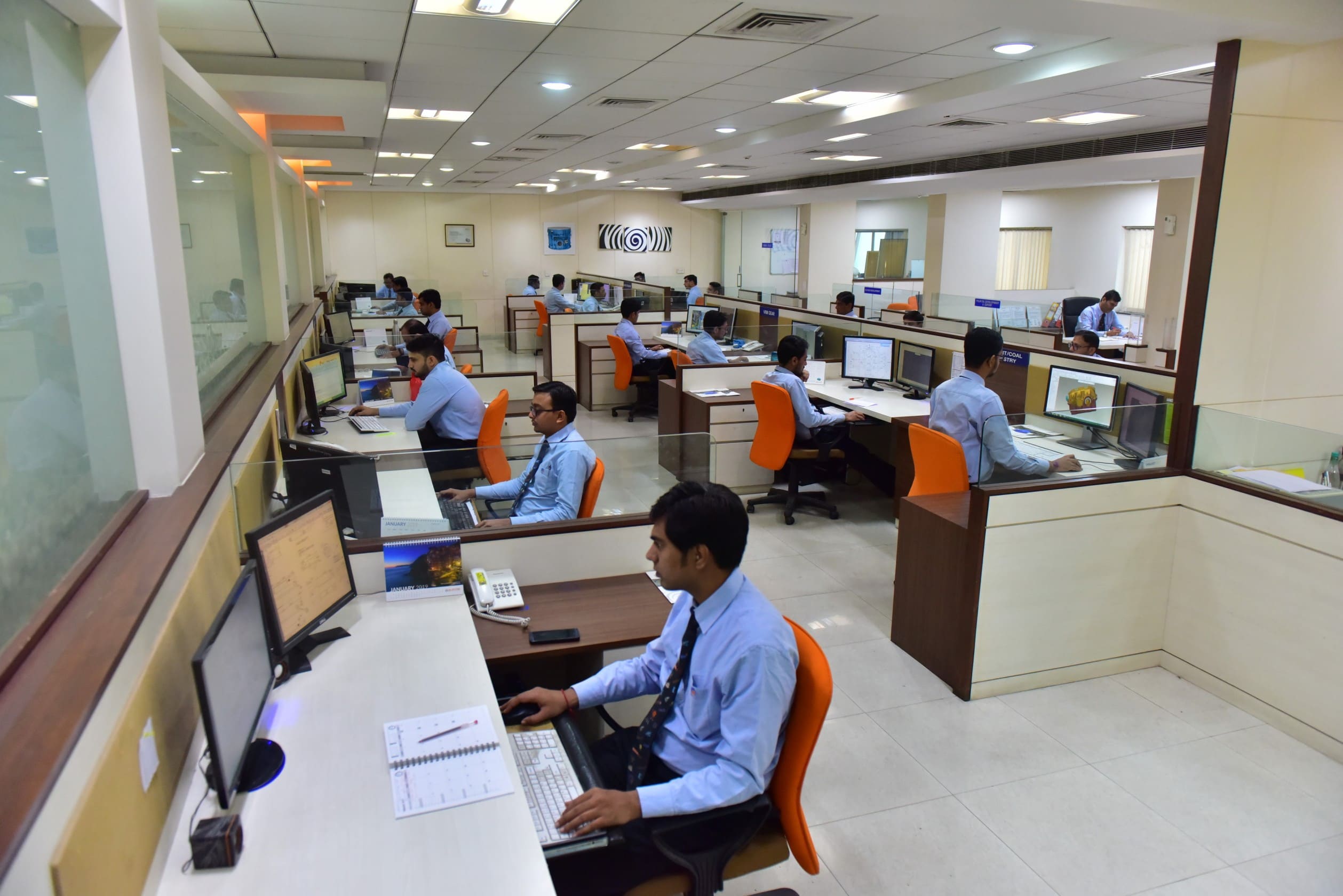
ELECON R&D Design – An Inside View
In addition, Elecon leverages digital engineering tools, including advanced design software and simulation technologies, to develop highly customized, application-specific solutions. This digital approach not only accelerates product development but also ensures optimal performance tailored to each customer’s unique operating environment.
Through continuous technological innovation, Elecon is strengthening its position as a future-ready partner committed to delivering intelligent, efficient, and value-driven solutions.
How important are digital technologies such as condition monitoring in modern industrial equipment?
In today’s advanced engineering environment, digital technologies such as Condition Monitoring Systems (CMS) have become essential for modern industrial equipment. These technologies enable real-time performance tracking and predictive maintenance, helping industries reduce unplanned downtime, enhance operational efficiency, and extend the service life of critical assets such as gearboxes.
By continuously monitoring key parameters, condition monitoring systems allow early detection of potential issues, enabling timely interventions and ensuring uninterrupted operations—especially vital in continuous-process industries.
Elecon offers its in-house developed Condition Monitoring System (ECMS), designed to meet specific customer requirements. The system seamlessly integrates with both standard and custom-built gearboxes, providing intelligent, data-driven insights that support reliable and efficient plant performance.
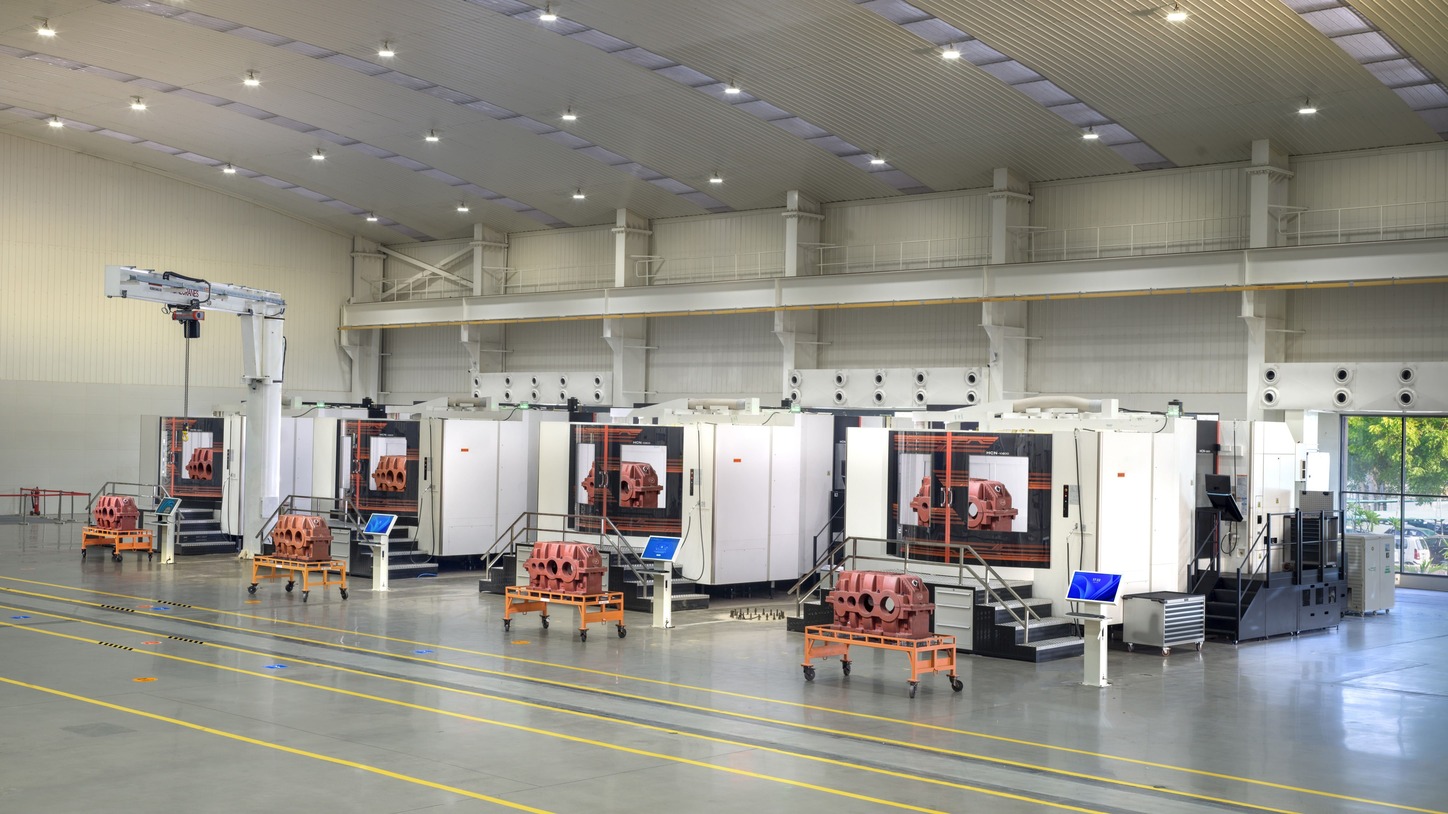
Internal Manufacturing View (State-of-the-art manufacturing facilities at Elecon workshop Inside view of Elecon’s expanded manufacturing capacity, showcasing modern infrastructure, optimized workflows and large-scale production capabilities for Gear Housing machining. )
What role does R&D play in Elecon’s growth?
R&D plays a pivotal role in Elecon’s growth, serving as the foundation for continuous innovation, enhanced product reliability, and technological advancement. By investing in advanced design capabilities and digital engineering tools, Elecon consistently develops high-performance, application-specific solutions tailored to evolving customer needs.
This strong commitment to research and innovation enables Elecon to stay ahead in a competitive global market, expand its footprint across industries and geographies, and deliver superior value to its customers. Ultimately, R&D empowers Elecon to remain future-ready while driving sustainable, long-term growth.
Elecon serves industries like steel, cement, power, mining, plastics, rubber, and many more. How are technological demands changing across these sectors?
Technological demands across core industries are evolving rapidly, driven by digitalisation and Industry 4.0. Today, customers are not only focused on product performance but also expect intelligent, connected, and data-driven solutions that enhance overall operational efficiency.
In gear manufacturing, this shift has led to the adoption of smart technologies such as data analytics, digital twin simulations, and predictive maintenance. These advancements help optimize gear performance, improve reliability, and significantly reduce unplanned downtime.
For end users, this translates into high-performance gear systems that are also digitally enabled. Modern gearboxes are increasingly equipped with sensors that continuously monitor critical parameters such as torque, vibration, and temperature in real time. This allows for proactive maintenance, improved equipment life, and seamless plant operations.
At Elecon, we align our solutions with these emerging needs by integrating advanced engineering with digital capabilities, ensuring our products not only meet industry expectations but also support customers in their journey toward smarter and more efficient operations.
What Major innovation Elecon does?
Innovation at Elecon is driven by a deep understanding of industry-specific challenges and a commitment to delivering high-performance, future-ready solutions. One of the key areas of innovation is the development of advanced planetary gearbox systems for sugar mill applications, incorporating the flex pin concept. This design enhances load distribution across multiple gears, reduces stress concentration, and improves overall gearbox reliability—especially under heavy and fluctuating load conditions typical in sugar industries.
Another significant innovation is Elecon’s highly flexible coupling solutions, engineered to accommodate misalignment, dampen vibrations, and absorb shock loads. These couplings play a critical role in protecting drive systems, extending equipment life, and ensuring smooth and uninterrupted operation in demanding industrial environments.
In addition, Elecon integrates intelligent technologies such as its in-house developed Condition Monitoring System (ECMS), enabling real-time tracking of key parameters like vibration, temperature, and torque. This facilitates predictive maintenance and minimizes downtime, further enhancing operational efficiency.
By combining mechanical innovation—such as flexible couplings and flex pin planetary designs—with digital intelligence, Elecon continues to set benchmarks in delivering reliable, efficient, and application-specific power transmission solutions.
How does Elecon maintain quality through advanced technology?
Elecon places a strong emphasis on quality, right from the initial design stage through every step of the manufacturing process. This end-to-end approach ensures that every product meets stringent performance, durability, and reliability standards.
To support this commitment, Elecon leverages advanced manufacturing technologies, precision machining, and modern production systems. These enable high levels of accuracy, consistency, and process control, ensuring that each component is produced to exact specifications.
In addition, the integration of digital engineering tools and quality monitoring systems allows for continuous improvement, real-time inspection, and adherence to global standards. By embedding quality at every stage, Elecon consistently delivers robust, high-performance solutions that meet the evolving expectations of customers across industries.
What are the biggest technological challenges in the industry today?
One of the most significant technological challenges in today’s industrial landscape is delivering high-quality products at a competitive and affordable cost. As industries evolve, customers increasingly expect advanced, reliable, and efficient solutions without compromising on cost-effectiveness.
At Elecon, this challenge is addressed through a strong commitment to engineering excellence, precision manufacturing, and continuous innovation. The company firmly believes that cost competitiveness should never come at the expense of quality.
By leveraging advanced technologies, optimized manufacturing processes, and stringent quality control systems, Elecon consistently delivers reliable and high-performance solutions that meet global standards. This balanced approach not only enhances operational efficiency for customers but also reinforces Elecon’s reputation as a trusted and dependable partner in demanding industrial applications.
What is your vision for Elecon’s technological future?
Elecon’s Vision to Gearing industries across the globe through comprehensive solutions and sustainable technology
Our Core Values – DRIVE
D – Delightful Customer Experience
R – Resolute Trust
I – Ingenious Entrepreneurship
V – Value Creation
E – Ethics at the Core
The company aims to further integrate Industry 4.0 technologies into its products and manufacturing processes, enabling smarter, more connected and efficient systems. This includes expanding capabilities in areas such as real-time monitoring, predictive maintenance and digital engineering to deliver next-generation solutions.
Elecon also envisions strengthening its portfolio through continuous R&D, focusing on high-efficiency designs such as advanced planetary gear systems, flexible couplings, and application-specific innovations tailored to evolving industrial requirements.
With a strong commitment to quality, sustainability, and technological excellence, Elecon strives to empower industries with reliable, energy-efficient, and future-ready solutions—while expanding its global footprint and reinforcing its position as a trusted engineering partner.




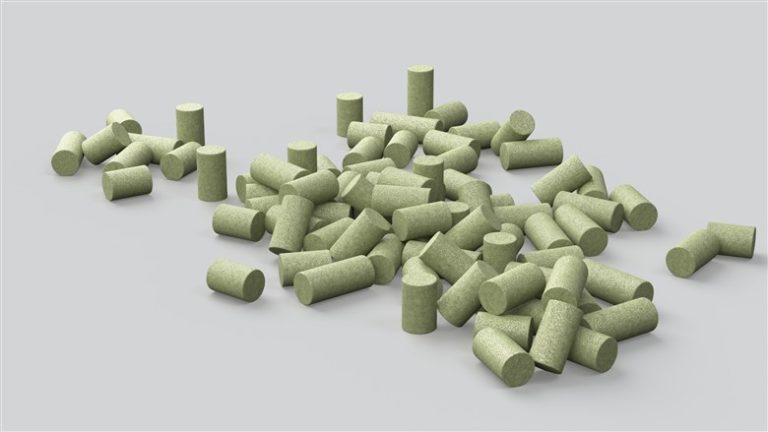





 In Caps and Closures moulds, LEO Precision offers a comprehensive range of solutions; from simple bump-off and flip-top caps to complex moulds featuring in-mould closing and un-screwing mechanisms. These high-precision caps and closures moulds are engineered for consistent performance, superior sealing, and high-speed production, meeting global packaging standards across diverse industries.