spot_img
Home Blog Page 50

Transforming Micro Manufacturing: Accumold at OFC 2025

0

Transforming Micro Manufacturing: Accumold at OFC 2025

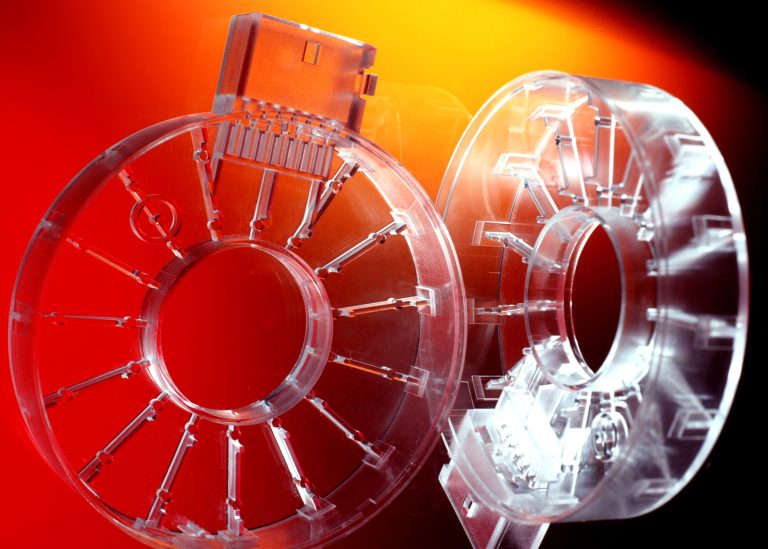
Accumold, a world leader in micro molding innovation, is excited to announce its participation at the Optical Fiber Communication Conference and Exhibition (OFC) 2025, taking place from March 30 to April 3, 2025, in San Francisco, CA. Attendees can visit Accumold at Booth 5503, where the company will showcase its industry- leading micro molding capabilities, highlighting its extensive experience in micro-optics and high-precision manufacturing for fiber optics and photonics applications.

For 40 years, Accumold has pioneered micro molding technology, successfully delivering cutting-edge solutions across industries. With experience in over 7,000 projects, Accumold’s expertise spans a wide range of applications, including micro molding, insert and overmolding, lead frame molding, microfluidics, thin-wall molding, two-shot micro molding, and micro optics, utilizing nearly every engineering-grade resin and liquid silicone rubber (LSR). These capabilities allow Accumold to support industries requiring ultra-precise, miniaturized plastic components, including fiber optic interconnects, data communications, medical optics, sensors, and emerging photonics applications.

Brett Saddoris, Technical Marketing Manager at Accumold says, “Micro molding offers a scalable and cost-effective alternative to traditional optical manufacturing techniques such as precision glass molding and lithographic processes. Accumold specializes in producing micro-optic components as small as 20 microns, with ultra-tight tolerances and surface finishes capable of meeting the stringent demands of optical performance. With proprietary micro molding technology and vertically integrated operations, Accumold ensures the highest levels of precision, repeatability, and quality. The company’s expertise in high- performance materials and in-house tool fabrication enables the mass production of intricate optical features that are critical for fiber optic transceivers, beam-splitting elements, and optical connectors.”

Emphasizing the importance of early collaboration in achieving superior micro molding results, Saddoris continues, “One of the first questions we are often asked is about our capabilities. For decades, Accumold has been refining and expanding our processes to provide customers with manufacturing excellence. We advocate for early engagement with our team in the design phase to ensure optimal manufacturability and performance. Our experience across a broad range of applications means we understand the unique challenges of micro molding and can help customers navigate them efficiently.”

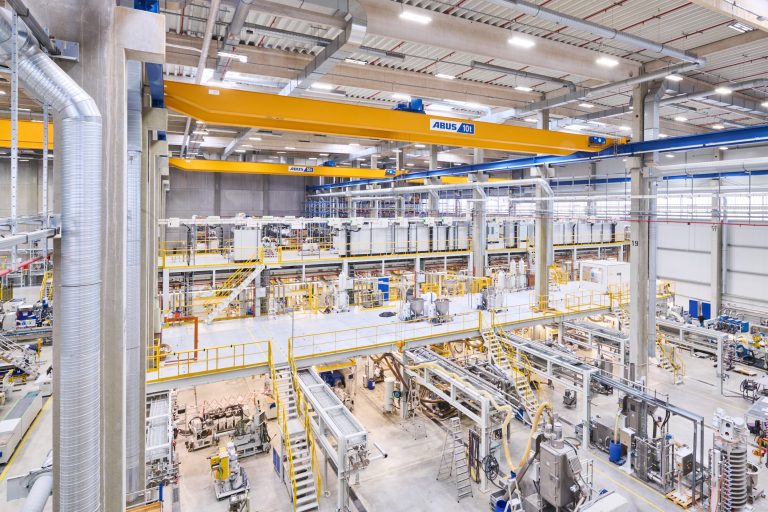
Accumold operates a 130,000-square-foot, state-of-the-art facility running 24/7, shipping high-precision components worldwide. This scale of operation allows the company to handle high-volume production demands while maintaining exceptional quality and reliability. As a trusted partner for OEMs in telecommunications, medical, aerospace, and consumer electronics sectors, Accumold remains dedicated to driving innovation in micro molding.

Attendees at OFC 2025 are invited to visit Booth 5503 to explore how Accumold’s micro molding expertise can unlock new possibilities for optical fiber and photonics applications. “OFC is a crucial event for our industry, and we are excited to engage with engineers and decision-makers who are seeking innovative solutions for their optical component needs,” concludes Saddoris.

www.accu-mold.com

#accu-mold#Modernplasticsindia #Pasticsnews #ModernPlasticsIndiaMagazine
#OFC #modernplasticsisrael

Bauma 2025: Hydreco Hydraulics Brings Solutions for Real-World Applications

Bauma 2025: Hydreco Hydraulics Brings Solutions for Real-World Applications

Hydreco Hydraulics, a leader in motion control solutions, will present its advanced product portfolio at Bauma 2025, held in Munich from April 7 to 13 (Hall A4, Stand 418).

Integrated Product Portfolio on Display

The Hydreco stand will feature a tracked machine equipped with a range of hydraulic, electric, and electronic solutions, highlighting the full integration of its product portfolio in real-world applications. Additionally, many Hydreco-equipped machines will be exhibited by customers throughout the event.

Global Integration and Sustainability

Hydreco benefits from the synergies within the Duplomatic Group and Daikin Industries, leveraging shared resources, expertise, and investments in R&D and manufacturing. This collaboration aligns with Daikin’s Vision 2050, emphasizing sustainability and global innovation.

Technological Innovation: eLynx Hydraulic Cylinder

Hydreco introduces eLynx, a cutting-edge optical technology for absolute measurement of the cylinder stroke. This solution delivers reliability, measurement, accuracy, and ease of use, outperforming existing market alternatives. eLynx features a plug-in design, eliminating the need for rod drilling, and is suitable for a wide range of heavy-duty applications in any environment.

New Product Highlights

  • MHDC Joystick: Compact and versatile, the MHDC joystick is designed for the increasingly confined spaces of mobile machinery. It joins Hydreco’s extensive range of joysticks, manipulators, and foot pedals for diverse applications.
  • ECU (Electronic CAN Bus Controller): Hydreco’s new ECU provides next-generation control for mobile applications. It can function as a master or slave unit, offering flexibility and modularity. Programmable with industrial automation’s five PLC languages and compliant with the IEC61131-3 standard, the ECU allows seamless adaptation of existing source codes. The LogicLab software environment supports programming, debugging, parameter setting, and real-time testing.
  • MS Series Directional Control Valves: The MS series includes valves tailored for specific applications, offering manual, hydraulic, pneumatic, and electro-hydraulic control options. These valves are available in sectional or monoblock construction, with flow rates up to 130 L/min and various spool types.

Other featured products include hydraulic joysticks, foot pedals, power units, CAN bus machine control systems, bankable valves, and hydraulic cylinders, providing a comprehensive motion control package.

https://www.hydreco.com/

#Hydreco #Modernplasticsindia #Pasticsnews #ModernPlasticsIndiaMagazine
#ModernPlasticsIsrael

Micro Molding Applications in Advanced Optical Technologies

Micro Molding Applications in Advanced Optical Technologies

Micro-optics — tiny lenses, beam-splitters, prisms, light pipes, and similar optical components— play a critical role in the miniaturization of optical applications across various industries. Ranging in size from as small as 20 microns to 1 mm, or incorporating micron-scale features in larger optical components, these elements are integral to applications in sensors, medical diagnostics, DataCom, augmented reality (AR) devices, and wearable technology.

Traditional optical manufacturing methods such as precision glass molding, diamond turning, and lithographic processes have long served the industry, yet each presents challenges in scalability, cost, and complexity when it comes to mass production of micro-optics. Micro injection molding (often referred to simply as micro molding) has emerged as a transformative alternative, allowing for the high-volume production of complex, precision micro-optic components with remarkable consistency, speed, and cost efficiency.

PRECISION AND PROCESS MASTERY IN MICRO-OPTICS MOLDING

Manufacturing micro-optics demands exceptional precision, far beyond that of traditional plastic injection molding. Optical components often require sub-micron surface finishes, precise geometries, and uniformity that eliminate any optical aberrations. Achieving these stringent tolerances necessitates highly specialized molding techniques, cutting-edge in- house tooling capabilities, and deep expertise in polymer material behavior at a microscopic level.

At Accumold, the complexity of micro-optics molding has driven the development of proprietary micro molding machines, as commercial off-the-shelf equipment often lacks the precision required for such delicate work. The micro-optic parts the company molds demand extreme control over shot size, temperature regulation, and mold flow, ensuring that surface relief features — such as those found in diffractive optical elements (DOEs) — maintain dimensions in the range of nanometers to a few microns.

One of the primary advantages of micro molding over alternative techniques is its ability to reproduce intricate optical features in polymers with high repeatability. Unlike traditional machining methods that can be slow and expensive, micro molding allows for the mass production of optical components without the need for time-consuming finishing processes.

CASE STUDIES IN MICRO MOLDING FOR MICRO-OPTICS

Medical Optics — Enabling Miniaturized Diagnostic Devices One of the most transformative applications of micro-optics is in the medical field, particularly in diagnostic imaging and sensor technologies. For instance, micro-molded optical components are used in endoscopic imaging devices, where compact, high-precision optical systems enable minimally invasive procedures.

A recent project involved the production of micro lenses for a diagnostic medical sensor requiring absolute precision in lens curvature and clarity to ensure high-fidelity imaging. The challenge lay in molding an optical-grade polymer while achieving a surface finish within 50 angstroms. By leveraging advanced in-house metrology and optimized molding parameters, the final component met the exacting quality standards necessary for real-time, high- resolution imaging.

DataCom and Fiber Optic Interconnects

Another prime example of micro molding’s impact is in the telecommunications sector, particularly in the fabrication of fiber optic lenses and couplers. Data transmission via fiber optics demands extreme precision in light signal manipulation, making the tolerances in these components incredibly tight.

Accumold has successfully manufactured 250-micron fiber optic lenses and parallel array products that seamlessly integrate into high-speed communication networks. By working closely with customers from the design phase, Accumold optimizes the micro-molded lens profiles to meet stringent optical performance criteria, ensuring high transmission efficiency while maintaining cost-effective manufacturability.

Augmented Reality (AR) and Emerging Optics Applications

As augmented reality devices evolve, the need for ultra-precise, lightweight optical elements has skyrocketed. AR glasses and even AR contact lenses rely on micro-molded optical elements to create accurate, high-resolution image projection systems.

A notable case involved the development of a refractive micro lens array less than 100 microns in size, with surface relief features necessary for precise light diffraction. The micro molding process allowed for the rapid and scalable production of these components, a significant improvement over traditional manufacturing methods that would have required costly, time-intensive machining and assembly.

THE IMPORTANCE OF DFMM AND VERTICALLY INTEGRATED MANUFACTURING

The transition from design concept to scalable manufacturing requires not just expertise in micro molding but also a deep understanding of Design for Micro Molding (DfMM). Many companies approach micro molders with designs that are not inherently manufacturable at the micro scale. Accumold works closely with engineers and designers to refine and optimize components for moldability, minimizing defects and ensuring efficient production.

Vertical integration is another critical factor in the success of micro-optic manufacturing. The ability to consolidate tooling, micro molding, metrology, automated assembly, and validation in a single ecosystem significantly reduces risk and lead times. This holistic approach ensures every stage of the process — from initial prototype to full-scale production — is optimized for quality and performance.

OVERCOMING THE CHALLENGES OF POST-MOLDING HANDLING AND ASSEMBLY

Once micro-optic parts are molded, handling and assembly become another area where precision and expertise are paramount. Due to their small size, micro-optics cannot be handled using conventional bulk packaging methods. Instead, custom packaging solutions such as thermoform trays and tape-and-reel systems are required.

In some cases, over-molding techniques can be used to integrate multiple optical elements into a single component, eliminating complex assembly steps. When assembly is necessary, however, automation is key — fully hands-free processing maintaining part orientation, preventing contamination, and ensuring consistent product quality at high volumes.

THE FUTURE OF MICRO MOLDING IN MICRO-OPTICS

The continued push for miniaturization in medical, telecommunications, and consumer electronics industries will only increase the demand for high-precision, scalable micro-optic solutions. As a leader in micro molding, Accumold remains at the forefront of innovation, continuously refining processes to meet the growing complexity of optical applications.

For companies developing the next generation of optical technology, early collaboration with an experienced micro molder is essential. From design optimization to final production, working with a specialized partner ensures that the unique challenges of micro-optic manufacturing are met with proven solutions, paving the way for groundbreaking advancements in the field.

By taking advantage of the precision, scalability, and cost efficiency of micro molding, manufacturers can push the boundaries of optical innovation. The key lies in expertise, not just in molding, but in every aspect of the manufacturing lifecycle. As micro-optics continue to evolve, micro molding will undoubtedly remain the preferred method for bringing these intricate components to life.

www.accu-mold.com

#accu-mold#Modernplasticsindia #Pasticsnews #ModernPlasticsIndiaMagazine
#MicroOptics#modernplasticsisrael


Driving Sustainable Industry Growth: MAAG’s Localization Success

Driving Sustainable Industry Growth: MAAG’s Localization Success

The internationally operating MAAG Group, headquartered in Oberglatt, Switzerland, has been stepping up its localization strategy in China. MAAG China has continuously increased its business activities and sales. Today, the company operates in an area of 7500 sqm, the assembly shop at the site in Jiading, a district of Shanghai, has recently doubled in size. MAAG China offers its customers production, sales and various services with over 100 highly motivated employees.

Products engineered in Switzerland or Germany, adapted to the local needs in China and – cost savingly – manufactured and assembled in our Shanghai factory. MAAG has been localizing products for the Chinese market for more than 20 years starting from components to nowadays complex production systems. Ueli Thürig, President of the MAAG Group: “Made in China for China’ is one of the key strategies our company has been focusing on in recent years; more than 90 percent of the equipment assembled in our Shanghai plant is intended for the Chinese market.”

MAAG Group production shop in Jiading/Shanghai, China

MAAG has already been producing GA series extrusion pumps, BAOLI strand pelletizers, and ZHULI underwater pelletizers in China. The C-USG, a similarly adapted version of the proven M-USG underwater strand pelletizing system is expanding the market-specific portfolio. The original German design forms the basis for this new version. While some key components are supplied from Germany, the majority of parts come from local production.

To ensure that the technically complex machines work optimally over a long term, MAAG China offers top-class services from trained specialist personnel, whether the product has been purchased at MAAG Shanghai or any other MAAG location worldwide. A local warehouse to store some most-wanted parts can ensure a very quick delivery.

In our local grinding centers in Shanghai (East China) and Guangzhou (South China) we grind cutting rotors, cutting blades and die plates quickly, reliably and professionally – even those from other manufacturers. Our know-how and experience are the warranty for perfect pellet quality.

Starting with consultancy regarding the most efficient technology, through commissioning through to the quick supply of spare parts in original quality and after-sales service, MAAG China offers an all-round service “par excellence”.

www.maag.com

#Maag #Modernplasticsindia #Pasticsnews #ModernPlasticsIndiaMagazine
#ModernPlasticsIsrael

Boosting Consumer Confidence with Digital Product Passports

Boosting Consumer Confidence with Digital Product Passports

The packaging industry is facing a dual challenge, with consumers demanding sustainable solutions, while increasingly stringent regulations require greater resource efficiency in production. How can companies fulfill these expectations and, at the same time, ensure transparency along the entire supply chain? The Digital Product Passport (DPP) could be the answer. How does it work in practice, and what opportunities does it bring to the industry? In a joint project with the open traceability and DPP platform R-Cycle and the flexible packaging converter Korozo Group, Henkel has demonstrated the benefits that can be achieved.

The pressure to develop environmentally compatible and resource-efficient packaging has increased tangibly. At the same time, global supply chains require greater transparency along the value chain in order to ensure that the origin of the materials, their processing and the end of the life cycle are traceable.

One key trend in the packaging industry is the shift toward a circular economy. The goal is not only to make packaging more efficient but also to return it to the production cycle at the end of its life. For this to happen, the materials need to be recyclable and the raw materials used need to be derived from sustainable sources wherever possible. In addition, there need to be clear rules for disposal. Digital solutions are becoming increasingly important in the efforts to satisfy these requirements.

As part of a joint project with R-Cycle, Henkel decided to actively test and implement the Digital Product Passport with a pilot project using Loctite Liofol solvent free adhesive to reliably laminate stand-up pouches.

The Digital Product Passport drives transparency

Against this backdrop, focus is turning to the Digital Product Passport (DPP). This is a key instrument in creating a digital record of the necessary information about the composition, life cycle and sustainability aspects of a product and making this information accessible. Driven by regulatory requirements such as the European Union’s Ecodesign for Sustainable Products Regulation (ESPR), the DPP will become mandatory in many industries from 2027.

The digital data set contains information such as the material composition, technical specifications and recyclability of a product. Each product is allocated a unique identifier, accessible via a suitable marking, such as a QR code or RFID tag, to facilitate its traceability along the value chain. The quality of the assigned data recorded is crucial here. Companies along the value chain need to provide the relevant information, which is prepared in a standardized format and made accessible to all stakeholders.

More recycling in the packaging industry?

In the packaging industry especially, the DPP not only satisfies regulatory requirements but also significantly improves the sustainability of packaging. “The DPP enables the seamless traceability of packaging along the supply chain, creates transparency and facilitates legal compliance,” says Philippe Blank, Head of Circular Economy at Henkel.

A functioning circular economy requires recyclable and ideally a high proportion of recycled raw materials to be already integrated into the procurement phase; these are then transferred to a design which takes into account various end-of-life scenarios. The goal is to recover materials for use in place of virgin material. “Reducing the use of raw materials and minimizing the resources needed are crucial for ensuring a sustainable future,” explains Philippe Blank at Henkel. Detailed material data simplify sorting and recycling, helping to preserve resources and increase the recycling rate.

Spotlight on adhesives: Henkel is testing the DPP in practice

In a joint project with Korozo Group, a flexible packaging converter, and R-Cycle, a platform based on open standards for the operation of digital product passports to ensure the traceability of packaging, Henkel decided to actively test and implement the DPP as part of its continuing commitment to make every package sustainable. The Loctite Liofol solvent free adhesive developed by Henkel is used to reliably laminate stand-up pouches. It is characterized by its chemical and thermal resistance, making it suitable for aggressive filling goods, pasteurization and high-speed packaging lines with a high seal temperature.

This example, trialed in a Henkel Consumer Brands finished good, shows what the DPP looks like in practice. Each package produced with Loctite Liofol is given a QR code that is linked with the R-Cycle DPP. This ensures that technical data, safety information and environmental aspects can be accessed directly. Henkel is working with R-Cycle to extend this traceability, thus optimizing the disposal and recyclability of the product as well.

Dr. Benedikt Brenken, Director R-Cycle, explains: “The application with Henkel shows very well how relevant information on the packaging components used – in this case the adhesive – can be recorded in the DPP and made available throughout the entire product life cycle. In this way, we create a defined level of transparency and easy traceability along the value chain. We see this as a decisive advantage regarding the constantly growing information demand.”

In addition, Henkel records the carbon emissions generated in the manufacture and use of the lamination adhesive in the DPP. This information is critical to complying with the ESPR requirements and to assessing the product’s carbon footprint throughout its entire life cycle.

The information recorded in the DPP enable end-of-life companies to properly manage the disposed packaging when it arrives to the sorting and recycling center, positively contributing to circular economy and recycling ratio.

The DPP enables the seamless traceability of packaging along the supply chain, creates transparency and facilitates legal compliance.

Actively shaping the transition for processes and materials

“We are on track to be able to offer each customer a sustainable product that is either derived from sustainable sources or has an outstanding recyclability profile,” explains Philippe Blank. As a supplier and brand owner, Henkel is in the unique position of covering a large part of the value chain. “80 percent of a product’s environmental footprint is defined in the design phase. We use our knowledge to advise our customers at an early stage,” emphasizes Philippe Blank.

The product carbon footprint (PCF) of individual components and of the product overall has a particularly crucial role to play here. In this connection, Henkel has established extensive capacities to identify savings potential and provide reliable data for Digital Product Passports and reporting requirements. These data are especially relevant to the recyclability of packaging and the obligation to use recycled raw materials.

“We align our work with leading assessment methods and design guidelines and are actively working on new test methods,” says Philippe Blank. The packaging industry is currently undergoing a profound change that is resulting in a significant shift in the materials used. These changes are also impacting existing recycling processes. The goal is to close the gaps through the active research and development of new test methods in order to prepare Henkel and its customers for pending legislative changes.

Outlook: The DPP to drive innovation and sustainability

“We believe that the DPP offers a great opportunity to promote the circular economy by providing better recycling information, to increase transparency in the supply chain and to strengthen the trust of our customers and partners in our products,” summarizes Philippe Blank. In the years ahead, the DPP will play a central role in the packaging industry as a key lever for driving innovation and increasing competitiveness. In addition to sustainable product development, the DPP is paving the way for the creation of new business models based on digitalization and the circular economy.

https://www.henkel.com/

#Henkel #Modernplasticsindia #Pasticsnews #ModernPlasticsIndiaMagazine
#ModernPlasticsIsrael

Control 2025 Sparks International Collaboration in Quality Assurance

Control 2025 Sparks International Collaboration in Quality Assurance

The 37th Control international trade show for quality assurance (QA), which will be held in Stuttgart from May 6–9, 2025, is highly anticipated by quality assurance specialists. This significant industry gathering has historically prioritized high levels of knowledge, quality, and relevance. Approximately 35% of the exhibitors will be foreigners. This year marks the debut of the “Control Quality Talks,” a panel discussion featuring prominent professionals sharing their perspectives on artificial intelligence.

Control 2025 preparation is ongoing. From May 6th to May 9th, 2025, suppliers and users of solutions for the quality of goods, procedures, and services will get together. The worldwide trade show for quality assurance, which is being organized by trade show planners P. E. Schall, will feature a variety of measuring technologies and their cross-industry applicability in Stuttgart Exhibition Center halls 3, 5, 7, and 9. The range of topics includes the domains of measurement and test technology, including the newest software and analysis technologies, as well as vision, image processing, and sensor technology.

2025 Control Quality Talks on AI in QA

Artificial intelligence (AI) systems represent a key technology trend in quality assurance. This year’s exhibitors, expert visitors and guests will experience the premiere of a new event forum as part of the trade fair programme – the 2025 Control Quality Talks. A panel discussion with renowned experts will be held addressing the topic of AI in quality assurance under the heading “AI in QA – Will the Future be Free of Defects? AI as Turbocharger for Profitability and Efficiency”. Discussions will be held with the aim of identifying which AI systems already exist today, which are already being used in industry, and which specific results they’re achieving in terms of cost-effectiveness and efficiency. The extent to which future AI systems will simplify QA and pave the way for error-free products and processes within the context of full automation will also be explored. Panel discussion participants include Dr.-Ing. Ira Effenberger, Group Leader at the Fraunhofer Institute for Manufacturing Engineering and Automation IPA, Dr.-Ing. Ralf Christoph, Managing Director and Proprietor of Werth Messtechnik, Florian Schwarz, CEO at CAQ AG Factory Systems and Dr. Christian Wojek, Head of AI at Zeiss IQS. The discussion will be moderated by Dr.-Ing. Peter Ebert, Editor-in-Chief of trade journal “inVISION”. All industry players are cordially invited to attend the discussion in hall 7-7115 beginning at 2:30 p.m. on the first day of the trade fair. Exhibitors, expert visitors and guests will gain extensive background information and further inspiration from this dialogue.

QA Promotes the Production of Safe Products

QA measures are essential for all companies and will have a significant impact on their future. In particular during economically difficult times, modern QA solutions are of great importance. This is why Control is a trade fair highlight every year for many companies. In all industry sectors, it’s now more important than ever to take advantage of digitalisation, networking and the intelligent evaluation of information – and implement them in daily quality procedures. In addition to opportunities for increasing manufacturing efficiency, intelligent QA also makes a significant contribution to the production of safe products. In this regard the focus is on reducing the potential costs of errors and rework and achieving high levels of customer satisfaction, as well as detecting hidden errors in the value chain, avoiding legal consequences and often directly preventing danger to life and limb. Whether sustainability, climate protection, the energy transition, e-mobility or automation is involved, it will scarcely be possible to manage any of the current megatrends without digitalising QA for processes and manufacturing operations. Modern QA measures thus contribute directly to mastering numerous challenges of global importance.

World-Class Supplementary Programme with Special Show and Expert Forum

In the meantime, quality assurance measures have become an integral part of the industrial production workflow. The trend is moving towards full automation of inspection processes as well, which are becoming faster and more efficient, are being run inline and are integrated into a broad range of diverse production sequences. AI systems are providing support to an ever-greater extent, in particular with regard to the acceleration of measuring processes, the evaluation of measurement data and increased degrees of automation. They’ve already deeply penetrated the QA industry and will be addressed extensively at the trade fair. Traditionally, Control offers expert visitors the opportunity of gathering up-to-date information and establishing new contacts by attending the world-class supplementary programme. The programme includes an expert forum with thematically specific, highly practical presentations, as well as a special show on “Contactless Measuring Technology” which is being held for the 19th time this year by Fraunhofer’s Vision business unit. The special show presents technologies, applications and system components from the field of contactless measuring and test technology at a central location and has established itself as an innovations marketplace for exhibitors as well as trade fair visitors.

“We’re looking forward to Control 2025, which will once again be a top-notch industry gathering,” says Bettina Schall, managing director of trade fair promoters P. E. Schall. “Large amounts of new technical information are exchanged and important new business contacts are established at this traditional event for the expert community. That’s why face-to-face meetings at the trade fair are so important.” Exhibitors meet up with well-informed expert visitors at Control, who possess in-depth specialised knowledge about measuring technology. Tangible demonstrations and explanations directly at the product in question, high levels of expertise amongst the visitors, the link between research and industry and, not least of all, personal contact make the trade fair indispensable for many industry players.

63 Years of Trade Fairs for Markets – Schall Trade Fairs’ Recipe for Success

With globally renowned trade shows for quality assurance (Control), optical technologies, components, and systems (Optatec), stamping technology (Stanztec), production and assembly automation (Motek), bonding technology (Bondexpo), plastics processing (Fakuma), sheet metal working (Blechexpo), and joining technology (Schweisstec), Schall has established prosperous business platforms. This has led to the emergence of entirely new markets in a number of industries, with leaders distinguished by their high degree of inventiveness, thorough system proficiency, and useful application solutions.

control-messe.de

#control-messe #Modernplasticsindia #Pasticsnews #ModernPlasticsIndiaMagazine
#ModernPlasticsIsrael

ENGEL and CANNON Revolutionize PUR Flooding with High-Tech Solutions

0

ENGEL and CANNON Revolutionize PUR Flooding with High-Tech Solutions

ENGEL, a globally leading manufacturer of injection moulding machines, and CANNON, a world leader in the mixing and metering technology for reactive processes such as polyurethane or RTM, have entered a strategic partnership. The aim of this cooperation between two strong partners is to further develop innovative technologies for PUR flooding and enable industrial applications with even higher quality and efficiency.

The demand for high-quality PUR-coated components is steadily increasing. ENGEL refers to this technology as clearmelt and has decades of experience with it, as well as a multitude of customers and references. With the clearmelt process, components are coated with PUR directly in the machine after the injection moulding process. Now, ENGEL is strengthening its position through the partnership with CANNON – a cooperation between two experienced, family-owned companies that continuously invest in sustainable innovations. This combines long-standing expertise and leverages synergies to continue offering customers forward-looking solutions.

ENGEL and CANNON – a strong combination of long-standing expertise with forward-looking solutions.

The collaboration between ENGEL and CANNON is particularly distinguished by a shared mindset based on long-term vision, quality, enthusiasm for innovation, and sustainable progress. Customers benefit from clearmelt with a coordinated technology that enables the efficient and economical integration of PUR into industrial manufacturing processes.

Technologically, the partnership is based on combining the strengths of both companies: ENGEL contributes its extensive expertise in injection moulding technology, while CANNON, with its outstanding expertise in PUR processing, optimises process reliability and efficiency. The clearmelt technology, which coats thermoplastic components with a durable PUR surface, is further developed and optimised through CANNON’s know-how, built over two decades in this field.

A prime example of this collaboration is the world’s largest injection moulding cell with a PUR system for clearmelt, which has been commissioned at the ENGEL technical centre in Sankt Valentin. There, customers can conduct practical tests with various PUR colour variants. The combination of the world’s largest injection moulding machine in a technical centre, the ENGEL duo 5500 combi M, and the precise metering and mixing technology from CANNON ensures maximum process stability and flexibility. The PUR system from CANNON, which provides precise and efficient material supply, is seamlessly integrated into the CC300 machine control system from ENGEL to ensure ease of use and maximum automation of the process. This not only speeds up the production chain but also improves the overall quality of the final products.

In addition to technological capability, the collaboration places particular emphasis on customer service. The global presence of ENGEL and CANNON ensures comprehensive support in all key markets, globally. Customers benefit from strong after-sales and application support, which, with extensive know-how, also assists in integrating this technology into existing production processes.

With this partnership, ENGEL and CANNON offer optimal production cells for combining injection moulding and polyurethane processing from innovative and family-owned market leaders. This provides customers with the opportunity to respond to the increasing demands of the industry and achieve sustainable competitive advantages.

https://www.engelglobal.com/

#Engelglobal #Modernplasticsindia #Pasticsnews #ModernPlasticsIndiaMagazine
#ModernPlasticsIsrael

Microplastic-Free Certification Awarded to Kaneka Green Planet Expanded Beads

Microplastic-Free Certification Awarded to Kaneka Green Planet Expanded Beads

Kaneka Belgium NV is proud to announce that its Kaneka Biodegradable Polymer Green Planet Expanded Beads—type L40N—has been officially excluded from the definition of synthetic polymer microparticles under EU Commission Regulation 2023/2055.

Kaneka Green Planet is a 100% biomass-derived biodegradable biopolymer developed by Kaneka, as part of the company’s commitment to providing environmentally friendly solutions that do not rely on petroleum resources. It has shown excellent biodegradability in various environments and decomposes easily in soil and seawater, where it converts into CO 2 and water.

Green Planet Expanded Beads are the result of integrating Kaneka’s long-established Eperan particle foam technology with the development of Biodegradable Polymer Green Planet. This innovative material is used in a wide range of lightweight, shock-absorbing applications, such as cushioning materials for home electric appliances, transportation containers for fresh food, and materials used in the automotive and transport industries. The foam particles can be processed with existing molding equipment, and their characteristics are similar to those of polyolefin foams.

The microplastic-free recognition of Kaneka’s Green Planet Expanded Beads follows a comprehensive assessment conducted by Normec OWS, an external verification laboratory. During the verification process, the product’s aqueous aerobic biodegradability was evaluated based on CO 2 evolution. The results indicated that the material achieves a mineralization level of +60% over a period of 28 days according to OECD test method 301 B. These results confirm that the product fully degrades without leaving any synthetic residues, reinforcing its role as a sustainable alternative in the foam applications industry and contributing to the fight against microplastic pollution.

“We are proud that Kaneka Green Planet Expanded Beads L40N have been officially recognized as microplastic-free in line with the highest environmental standards set by EU Regulation 2023/2055. This milestone reflects our dedication to protecting the planet and delivering eco-friendly particle foam solutions without compromising performance and quality. It will enable us to engage further with brand owners, molders, and consumers, and help us work towards a microplastic-free foam industry,” said Luc Point, General Manager of Foam & Residential Techs EMEA for Kaneka Belgium.

www.kaneka.be

#kaneka #Modernplasticsindia #Pasticsnews #ModernPlasticsIndiaMagazine
#ModernPlasticsIsrael

The New Era of Branding: Why Packaging Matters More Than Ever

The New Era of Branding: Why Packaging Matters More Than Ever

  • 71% of consumers now shop online at least once a month, up from 56% last year.
  • 90% favour brands using recyclable, right-sized eCommerce packaging.
  • Only 50% of consumers trust brand’s sustainability claims, underscoring the need for transparency.

Mondi, a global leader in sustainable packaging and paper, today announced the results of its sixth annual eCommerce trend report “Sustainability and its impact on packaging and online shopping choices”. This comprehensive study examines trends, attitudes and expectations regarding eCommerce and the impact packaging has on the consumer experience.

Armand Schoonbrood, Mondi Group eCommerce COO

The report presents data from around 6,000 consumers across Czechia, France, Germany, Poland, Sweden and Türkiye, collected via an online survey in October and November 2024. The findings offer eCommerce brands valuable insights on meeting consumer needs, including country-specific results from each of the six markets. The survey was conducted by RetailX, who also co-authored the whitepaper.

“This year’s findings confirm that sustainability is no longer just a trend, it’s a business imperative,” said Armand Schoonbrood, Mondi Group eCommerce COO. “Consumers are demanding tangible action from retailers to reduce their environmental impact. At Mondi, we are proud to support customers with innovative, sustainable eCommerce packaging and paper solutions that meet consumer expectations and help our partners to build trust, loyalty, and long-term value in the eCommerce space.”

Ian Jindal, RetailX Chief Editor.

Adding to this, RetailX Chief Editor Ian Jindal, commented: “The findings of this year’s survey show that sustainable eCommerce packaging has become more than a preference – it’s now a consumer expectation. Transparency, innovation and credibility in sustainability efforts are vital for retailers to maintain trust, loyalty, and relevance in a rapidly evolving market.”

Emerging trends and insights

A surge in online shopping: key insights for retailers

  • Online shopping frequency soars: 71% of consumers shop online monthly, up from 56% last year.
  • Spending remains stable: 1 in 4 consumers spends €120–€290 per month.
Packaging is the new brand statement according to the sixth annual Mondi Group eCommerce trend report.

Packaging that drives loyalty: what consumers value most

  • Protection is key: 95% of consumers prioritise protective packaging.
  • Sustainability demand grows: 80% insist on environmentally conscious or recyclable packaging.
  • Unboxing matters: 59% say packaging influences repeat purchases; Gen Z (71%) values aesthetics and recyclability.

From promises to proof: why transparency matters

  • Sustainability skepticism: only 50% trust online brands’ eco claims.
  • Sustainable packaging boosts brand perception: 90% favour brands using recyclable, right-sized eCommerce packaging.

The full Mondi Group eCommerce trend report 2025, including detailed insights into consumer behaviour, packaging innovations, and sustainability expectations is available in English – please download the PDF document at the right-hand side. Gain exclusive insights into consumer behaviour and packaging trends shaping the future of eCommerce.

www.mondigroup.com

#mondigroup #Modernplasticsindia #Pasticsnews #ModernPlasticsIndiaMagazine
#ModernPlasticsIsrael

An Exclusive Interview with Anil Kumar Munjal, Director And CEO, Riello Power India Pvt. Ltd. with Modern Plastics India (MPI) Magazine a Part of Modern Plastics Global Network

0

An Exclusive Interview with Anil Kumar Munjal, Director And CEO, Riello Power India Pvt. Ltd. with Modern Plastics India (MPI) Magazine a Part of Modern Plastics Global Network

Q: Can you tell us about Riello Power India and your journey in the industry?

Riello Power India Pvt. Ltd. is 100% subsidiary of RPS S.p.A, Italy, a globally renowned brand known for manufacturing high quality, reliable, and most efficient UPS solutions. Our state-of-the-art manufacturing facility is in Manesar, Gurgaon, which is equipped with advanced technology to produce best-in-class UPS. We have an extensive sales and service network spanning 26 locations across India, ensuring exceptional customer support. We have always focused on delivering innovative, robust and energy-efficient power solutions tailored to industry-specific needs. My journey with Riello has been about understanding the evolving challenges businesses face in power reliability and finding ways to address them with cutting-edge technology. Over the years, we’ve built a reputation for quality, customer-centric solutions, and sustainability.

Trasnformer Less UPS

Q: Riello Power India is recognized as one of the leading UPS manufacturer company and holds a significant market share in power conditioning products. How has Riello Power achieved this remarkable growth?

Riello Power India has firmly established itself as a UPS-focused company with a commitment to innovation, quality, and customer-centric solutions. Our growth is driven by our ability to manufacture and offer a comprehensive range of UPS from 6kVA to 6400kVA. Our product portfolio includes Transformer based UPS, Transformer less UPS and  Modular UPS. We provide solutions that cover the entire spectrum of requirements.

What truly sets us apart is our customer-first approach. It’s not that we make a box and give this box to anybody. Unlike a one-size-fits-all approach, we carefully select the most suitable and sustainable UPS for each specific need, ensuring reliability and efficiency. The unmatched range of technologies and our dedication to delivering the right solution have positioned us as an industry leader.

Q: How do UPS systems benefit the plastic industry specifically?

The critical plastic processing equipment, essential for sustaining business operations, cannot afford downtime. Whether it involves multilayer extrusion blowing, UPVC/PVC pipe extrusion, PET preform injection molding, vacuum metallization, rotogravure printing, PSF fiber machines, woven sack manufacturing, extrusion lamination, or similar processes, even a brief power outage, surge, sag, or voltage fluctuation can cause severe damage to expensive machinery. This can result in production halts, shutdowns of the manufacturing process or the entire facility, leading to quality loss, material waste, time delays, and significant financial losses. Moreover, failing to deliver products to customers on time can damage your reputation and goodwill, compounding the negative impact on your business.

Take the example of manufacturer producing PVC or UPVC pipes. These processes rely on extrusion machines to convert plastic into pipes. If there’s a power interruption during operation, the process halts abruptly. This leads to the material getting stuck in the machine, requiring extensive time and effort to clean them before resuming production. Not only does this waste time, but it also results in material loss and inefficiency. A UPS ensures continuous power supply, avoiding such interruptions and maintaining the smooth flow of operations.

By providing clean and stable power, a UPS also helps extend the lifespan of these machines, ensuring they perform efficiently over time. This makes UPS solutions absolutely vital for saving time, minimizing material waste, and maintaining overall productivity in manufacturing environments.”

Q: What challenges do plastic manufacturers face regarding power supply, and how does Riello address them?
The primary challenges include power outages, voltage instability, and harmonics in the power supply that can impact machinery performance. Plastic production processes often run round-the-clock, making it crucial to avoid interruptions. Riello addresses these challenges with our advanced UPS systems, which feature high energy efficiency, robust overload capabilities, and harmonic filtering. Our solutions are also scalable, allowing manufacturers to adapt to increasing production demands without overhauling their power infrastructure.

Q: Sustainability is a growing concern across industries. How does Riello incorporate sustainability in its solutions?
At Riello, sustainability is at the core of our innovation. Our UPS systems are designed to minimize energy consumption through high efficiency, even at partial loads. Many of our UPS models are equipped with eco-mode features that further reduce power consumption during low-load conditions.

Riello UPS has always been a front runner in providing reliable power for a sustainable world. With industries and governments working toward net-zero emissions and reducing carbon footprint, there’s a growing demand for UPS solution that can integrate seamlessly with net-zero emissions and reducing carbon footprint. Many of our UPS are designed for a sustainable decarbonization strategy to successfully lower carbon emissions and increase energy efficiency. The efficiency benefits are significant, resulting in tons of CO2 saved and huge energy bill savings yearly, helped in minimizing the environmental impact for a sustainable world.

Transformer Based UPS

Q: What advice would you give to plastic manufacturers when selecting a UPS system?
I would advise manufacturers to look for a UPS system tailored to their specific operational requirements. Key considerations include power capacity, efficiency levels, scalability, and compatibility with their existing infrastructure. It’s also important to evaluate the total cost of ownership (TCO), not just the upfront price. Reliable after-sales support and ease of maintenance should be a priority. Partnering with a trusted brand like Riello ensures you receive not just a product but a comprehensive power solution that evolves with your business needs.

Q: What trends do you foresee in the power solutions market for industrial sectors like plastics?
We see a strong move towards energy-efficient and compact systems, as space and energy costs are key concerns. There’s also growing demand for lithium-ion batteries in UPS systems due to their longer lifespan and faster charging capabilities. In the industrial sector, including plastics, the adoption of renewable energy integration is increasing. Lastly, smart technologies, predictive analytics, and AI will continue to shape the future of power solutions, offering deeper insights and improved reliability.

Q: What role does Riello Power India’s commitment to quality and customer satisfaction play in fulfilling its mission of being a leading provider of power solutions across India?

At Riello Power India, our culture is built on a foundation of customer excellence and integrity. With over 25,000 three-phase UPS installations across India, we are proud to be a trusted name in the industry.

We are honored to have supplied UPS systems and earned the trust of esteemed organizations for some of the nation’s most prestigious projects. Our contributions include supporting ISRO in the Chandrayaan 3 and Aditya L1 missions, playing a pivotal role in metro projects such as the Mumbai Metro and Delhi Metro, etc; and installing UPS systems at major airports, including Ayodhya Airport, Delhi Airport, Bangalore Airport, etc. With over 6,000 satisfied customers across the country, we take pride in our unwavering commitment to quality and excellence

Every UPS system we design and manufacture adheres to the highest international standards. Rigorous testing ensures that our products deliver unmatched performance, durability, and energy efficiency—critical for protecting essential infrastructure across diverse industries. At Riello Power India, we are not just about delivering power solutions; we are about empowering our customers with the confidence and reliability they need to succeed.

https://www.riello-ups.in/

#riello-ups #Modernplasticsindia #Pasticsnews #ModernPlasticsIndiaMagazine 
#ModernPlasticsIsrael