Reifenhauser Opens New Head Office Asia-Pacific In Bangkok
Reifenhäuser, leading global supplier of plastics extrusion technology, has opened its new Head Office Asia-Pacific in Bangkok (Thailand). In future, all sales, service and after-market activities for the Southeast Asian region will be managed centrally from Bangkok. This will give customers direct access to Reifenhäuser’s technology portfolio, the best possible on-site service and a faster supply of spare parts via a local warehouse and logistics center.
The Reifenhäuser Group has been active in South-East Asia for a long time – with several regional Sales & Service Units. The newly established Head Office expands and synchronizes the existing capacities.
Marcel Perrevort, CSO of the Reifenhäuser Group, explains: “With the new establishment, we are focusing on the rapid market growth in this region. We are now close to our customers with a powerful organization. There is no substitute for a close geographical proximity when it comes to building long-term partnerships.”
Reifenhäuser is thus following its global “Close to our customers” strategy in order to better understand and serve market requirements. The investment in local support structures enables faster responses and better accessibility along the entire customer journey – from the sale of a line to commissioning, service and after-sales support in day-to-day business.
Customers from all over South-East Asia attended the opening of the new Head Office Asia-Pacific on November 29. In addition to the opening ceremony with more than 80 invited guests, Reifenhäuser presented its machine technologies, components, digitalization solutions and successful projects from its partner network in various specialist workshops.
ECI Group, a world leading technology licensor and engineering services provider for the polymer and advanced recycling industries, announces the launch of its new consultancy services unit: ECI Group Consultancy Services.
ECI Group Consultancy Services will provide specialist consultancy services to the polyolefins sector, delivering technology support and plant optimization services to help clients achieve their profitability, safety, and sustainability goals. The services will cover a broad range of polyethylene and high-pressure copolymer technologies from the production of LDPE, EVA, Ethylene Acrylates copolymers, Polyolefins Elastomers, Polyolefins Plastomers, Linear Low- Density Polyethylene and High Density Polyethylene, to plastic recycling and more.
Francisco Larenas has been appointed as ECI Group’s Consultancy Services Director and he will be responsible for leading the new business unit. Francisco has over 20 years of experience in the international process industry, specialising in the polymer and petrochemical sectors. He has a demonstrated experience in the operation of petrochemical plants, the execution of large capital projects, polyethylene technology, plant optimization and leadership of high- performance teams.
Francisco will lead a team of Subject Matter Experts who each bring decades of experience in polyolefins and expertise across all aspects of operations, maintenance, training and capital projects, as well as access to ECI Group’s full capability in technology and engineering for these sectors.
“We are delighted to announce the launch of ECI Group Consultancy Services which will allow us to provide focussed, specialist services to our clients in the polyolefins sectors,” said Joaquin Flores, President and CEO of ECI Group. “ECI Group has a wealth of knowledge to share, built from decades of experience in the polyolefins industry and our experience of leading pioneering polyethylene projects. I am confident that with Francisco’s expert leadership, ECI Group Consultancy Services can drive our business forwards to becoming the global reference for polyolefin engineering and technology.”
Francisco Larenas said: “I am excited to take on this new role within ECI Group and look forward to leading the ECI Group Consultancy Services unit, working alongside our exceptional group of experts to deliver top-tier consultancy services and create value for our clients.”
An Exclusive Interview with Vajubhai Vaghasia, Chairman, Plexpoindia 2024 with Modern Plastics India (MPI) Magazine a Part of Modern Plastics Global Network.
As one of India’s most influential plastic exhibitions, how has PLEXPOINDIA 2024 evolved over the years to meet the changing needs of the plastics industry?
Over the years, PLEXPOINDIA has firmly established itself as one of India’s most influential plastic exhibitions, consistently adapting to the evolving landscape of the plastics industry. Since its inception, the event has grown significantly in scope and scale, attracting both domestic and international exhibitors and visitors. The exhibition has evolved from a platform showcasing traditional plastic products and manufacturing processes to a dynamic event that highlights cutting-edge technologies, sustainable solutions, and innovations tailored to meet the demands of a rapidly advancing industry. One of the key ways PLEXPOINDIA has adapted is by integrating sustainability focused initiatives and technologies. With increasing emphasis on environmental responsibility, the exhibition now showcases green innovations, biodegradable materials, and recycling technologies, enabling industry players to align with global standards on sustainability. The event has also expanded its focus to include sectors such as packaging, automotive, medical devices, and consumer goods, each of which relies heavily on advanced plastic solutions and materials. Live machinery demonstrations have become a cornerstone of PLEXPOINDIA, allowing attendees to witness the latest machinery and processes in action. This hands-on approach not only offers a more engaging experience but also allows industry professionals to see the practical applications of the latest advancements. Networking has been enhanced as well, with PLEXPOINDIA facilitating collaborations and partnerships through B2B matchmaking services, seminars, and panel discussions led by experts.
Vajubhai Vaghasia
Networking and business connections were a big draw for PLEXPOINDIA 2019. How are you enhancing networking opportunities for exhibitors and attendees this 2024 year?
For PLEXPOINDIA 2024, we’re elevating networking opportunities through dedicated B2B matchmaking programs, ensuring exhibitors and attendees can connect directly with key industry players and potential partners. We’re also introducing interactive networking lounges, speed networking sessions, and themed meet ups to foster targeted connections. In addition, a new event app will allow attendees to schedule meetings, view profiles, and receive personalized recommendations. These enhancements aim to create a dynamic networking environment that maximizes value and helps all participants forge meaningful, long-term business relationships. With
sustainability becoming a major focus globally, how is PLEXPOINDIA 2024 addressing green innovations and sustainable solutions in the plastics sector?
As sustainability gains momentum worldwide, PLEXPOINDIA 2024 is prioritizing green innovations and sustainable solutions to support a more eco-conscious plastics industry. The event will feature a dedicated “Green Zone” exhibition area, highlighting sustainable products, renewable materials, and environmentally friendly technologies developed by leading companies. Attendees can explore advances in biodegradable plastics, recycling solutions, and energy efficient machinery that are transforming the industry toward a greener future. Additionally, the event will host seminars and panel discussions focused on sustainability, covering topics such as circular economy practices, regulatory compliance, and waste reduction strategies. This year, we are partnering with key environmental organizations and experts to deliver insights on integrating sustainability without compromising performance or quality. By spotlighting these innovations, PLEXPOINDIA 2024 aims to inspire actionable change and foster collaboration on sustainable practices that address the urgent environmental challenges facing the industry today.
Live machinery demonstrations were a major highlight in 2019. Can you share any exciting, new technology or machinery showcases planned for PLEXPOINDIA 2024 that attendees should look forward to?
For PLEXPOINDIA 2024, we’re excited to bring an enhanced lineup of live machinery demonstrations featuring the latest advancements in automation, energy Attendees can look forward to seeing cutting-edge technologies in action, including fully automated injection molding machines, high-speed extrusion systems, and precision robotics designed to increase production efficiency while reducing resource consumption. A key highlight will be demonstrations of Industry 4.0-enabled machinery that leverages IoT and data analytics for real-time monitoring and control, allowing manufacturers to achieve unprecedented levels of precision and productivity. We’re also introducing live recycling technology demos, showcasing state-of-the-art equipment for plastic waste processing and conversion, emphasizing sustainable solutions. These interactive, hands-on exhibits will offer visitors an immersive experience, enabling them to see and understand the practical applications of the latest technologies shaping the future of the plastics industry.
Recycle Pavilion at PLEXPOINDIA 2024 aims to showcase sustainable solutions in the plastics industry. Can you highlight some of the key innovations or technologies related to recycling that attendees can expect to see?
At PLEXPOINDIA 2024, the Recycle Pavilion will feature groundbreaking recycling technologies that promote sustainability in the plastics industry. Key innovations include advanced sorting systems powered by AI and robotics, enabling more efficient separation of plastic waste for recycling. Attendees will also see cutting-edge extrusion and pelletizing technologies designed to process recycled plastics into high-quality, usable materials. Additionally, innovations in chemical recycling, which can break down plastic waste into its original monomers for reuse, will be showcased. These technologies represent the industry’s move toward a circular economy, ensuring plastics can be reused, recycled, and repurposed sustainably.
What strategies are GSPMA implementing to increase participation from small and medium enterprises (SMEs) at PLEXPOINDIA 2024, and how do you envision them benefiting from the exhibition?
GSPMA is committed to increasing participation from small and medium enterprises (SMEs) at PLEXPOINDIA 2024 through a variety of targeted strategies designed to make the exhibition more accessible and beneficial for these businesses. One key initiative is offering discounted exhibition space and special packages tailored to the budgetary constraints of SMEs. This approach ensures that smaller companies can showcase their innovations without the financial burden that typically accompanies large-scale events. GSPMA is organizing focused networking sessions and mentorship programs that will connect SMEs with industry leaders, potential customers, and investors. These sessions will provide SMEs with valuable opportunities to form partnerships, gain insights into industry trends, and enhance their visibility in the global plastics market. GSPMA is planning to introduce a “SME Showcase Zone” within PLEXPOINDIA 2024, highlighting the products and services of smaller businesses, giving them a platform to reach a wider audience. The exhibition will also feature educational seminars and workshops focused on helping SMEs adopt new technologies, improve production processes, and enhance sustainability practices. By focusing on these strategies, GSPMA envisions that SMEs will not only increase their market presence but also gain access to resources and opportunities that will help them grow and thrive in an increasingly competitive global plastics industry.
How does PLEXPOINDIA 2024’s mission reflect the industry’s commitment to innovation, sustainability, and technological advancement in the plastics sector?
Our mission is to serve as the catalyst for transformative growth in the Plastic Industry sectors. We strive to foster a dynamic platform where innovation flourishes, industry connections thrive, and opportunities for collaboration abound. Through our legacy of over four decades, we are committed to advancing and showcasing the latest products, technologies, and solutions that shape the future. PLEXPOINDIA is dedicated to providing a comprehensive ecosystem that not only connects stakeholders but also propels the industries we represent toward sustained excellence and global recognition. PLEXPOINDIA envisions a future where the realms of Plastic Industry are dynamic hubs of innovation and collaboration. We aspire to be the driving force behind industry evolution, connecting global stakeholders, and providing a platform to showcase technologies. Our vision is to create an unparalleled ecosystem that fosters knowledge exchange, sparks creativity, and propels industries toward sustainable growth. PLEXPOINDIA is dedicated to shaping a tomorrow where every participant, from manufacturers to researchers, finds inspiration, discovers opportunities, and contributes to collective advancement.
INEOS STYROLUTION INTRODUCES NEW ABS EXTRUSION GRADE – LUSTRAN 532 – FOR FURNITURE EDGE BAND APPLICATIONS
▪ New ABS grade offers easy processing, medium gloss, and stable colour base for self-colouring, tailored for furniture edge bands.
INEOS Styrolution, the global leader in styrenics, announced today the launch of its latest ABS grade,
Lustran 532, developed for easy processing, medium gloss, and a stable colour base for self-colouring. This new grade is specifically designed for furniture edge band applications and complements the company’s existing range of medium gloss extrusion ABS grades. Lustran 532 is produced at INEOS Styrolution’s production site in Wingles, France, where ABS production has been operational since 20211. The Wingles facility specialises in mass ABS manufacturing, delivering high-quality extrusion materials across the EMEA region. The new grade’s consistent performance and enhanced processability make it ideal for demanding extrusion applications.
“We are excited to introduce Lustran 532 as part of our growing ABS portfolio. This grade offers an ideal combination of medium impact resistance and superior aesthetics for applications like furniture edge bands,” said Loic Poullin, Business Development Manager ABS, EMEA. “Produced at our Wingles site, it ensures a reliable, high-quality solution for customers in the extrusion market.”
INEOS Styrolution’s ABS extrusion solutions cover a broad spectrum, addressing various demands from low to high gloss, medium to high impact resistance, and thermoformability. These grades serve multiple applications such as sheets, edge bands, pipes, and profiles.
Syensqo Expands Polymer Production Capacity For Life-Saving And Life-Supporting Applications
Boosted U.S. production addresses rising demand for high- performance materials in healthcare, water filtration, and renewable energy markets
Syensqo, a global leader in high-performance materials, has significantly increased its U.S. production capacity for advanced polymers used in critical health, water, and energy applications. By expanding production of its Udel polysulfones (PSU) sulfone polymers at its Marietta, Ohio facility by more than 25%, Syensqo is ready to meet growing demand for innovative materials in critical life science markets.
This production boost supports essential applications that impact everyday lives. Syensqo’s sulfone polymers are used in life-saving and life-supporting applications that enhance medical care, such as in systems for hemodialysis and medical instruments; play a critical role in water purification; and contribute to green hydrogen production systems that help reduce environmental impact and improve energy efficiency.
Peter Browning, President Specialty Polymers at Syensqo, explains: “Since we embarked on this expansion journey for our sulfone polymers business three years ago, the trend towards higher performing materials with a balanced level of strong mechanical, thermal and chemical properties has continued to grow. Syensqo is proud to deliver sustainable, advanced materials that meet the evolving needs of critical industries like healthcare, water filtration, and hydrogen production. As demand grows, we remain dedicated to pioneering polymer innovations.”
Syensqo’s advanced polymers are designed to perform under demanding conditions. They offer high strength and rigidity, flexible sterilization options, and high resistance to cracking, even at elevated temperatures. These characteristics make them indispensable in applications like water filtration membranes and medical devices that require precision and reliability. With global approvals for use in drinking water and food contact products, these materials are trusted for their safety and durability.
The production increase at the Marietta site complements a recent expansion at Syensqo’s Augusta, Georgia facility, where key components used in these high-performance materials are produced. By strengthening its manufacturing presence in the U.S., Syensqo is bolstering its ability to meet rising demand from critical markets, ensuring reliable access to essential materials that support healthier lives, cleaner water, and a more sustainable future.
An Exclusive Interview with Bharat Patel, President, Gujarat State Plastics Manufacturers’ Association (GSPMA) with Modern Plastics India (MPI) Magazine a Part of Modern Plastics Global Network
Bharat Patel
What are the key initiatives taken by the Gujarat State Plastics Manufacturers’ Association to support the growth and development of the plastics industry in Gujarat?
The Gujarat State Plastics Manufacturers’ Association (GSPMA) has launched several key initiatives to advance the plastics industry in Gujarat. A primary focus is on policy advocacy, where GSPMA collaborates with government bodies to shape regulations that support industry growth and sustainability. This i n c l u d e s i n p u t o n environmental policies, taxation, and trade regulations that impact plastic manufacturers. Established in 1970, the Gujarat State Plastics Manufacturers’ Association (Popularity Known as “GSPMA”) is one of the leading associations in the country, having 3500 plus members, representing & working for the Cause of Plastic Industry since Last more than Five decades of time. GSMPA has been engaged for the Promotion of Plastic industry in the country. In promoting sustainable practices, GSPMA educates its members on recycling, waste reduction, and eco-friendly manufacturing. By advocating for sustainable innovations, GSPMA helps companies adapt to global environmental standards. Skill development is another area of emphasis, with the association offering training programs, workshops, and seminars on modern manufacturing techniques, automation, and quality control. These initiatives ensure a skilled workforce that meets global standards. GSPMA supports international collaborations and provides networking opportunities through trade fairs and delegations, helping members access export markets and establish global partnerships, further expanding Gujarat’s footprint in the plastics industry.
What objectives has GSPMA set to enhance the skills, knowledge, and resources available to plastics manufacturers in Gujarat?
GSPMA also seeks to enhance knowledge sharing by organizing seminars, workshops, and networking events that introduce the latest innovations, regulatory updates, and global best practices. By bringing industry experts and leaders together, GSPMA helps members stay informed about emerging trends and challenges.
To safeguard the interest of Plastic Manufacture
To Promote Co-operation, amongst Person, Companies, associations or Societies Connected with Plastic Industry
To help in promoting the growth & development of Plastic Industry
To Project an appropriate image of Plastic Industry
To help R&D activities in Plastic Industry
To Work directly or indirectly for the welfare of Plastic Industry
To help in conserving energy, scarce material & natural resources and thereby protecting the environment
To represent the problems/issues of Plastic Industry before the competent authorities
What unique opportunities do the 9th Plexpo India – International Plastics & Packaging Exhibition offer for companies looking to showcase innovations in plastics and packaging?
The 9th Plexpo India – International Plastics & Packaging Exhibition offers unique opportunities for companies to showcase their innovations and gain visibility within the global plastics and packaging industries. Held in Gandhinagar, the event serves as a key platform for manufacturers, suppliers, and technology providers to present their latest products and solutions to a diverse audience of industry professionals, buyers, and decision-makers. One of the primary advantages of participating in Plexpo India is the exposure to a large, targeted audience. The event attracts key stakeholders from across the plastics, packaging, automotive, food, and consumer goods sectors. For companies unveiling new products or technologies, the exhibition provides an excellent opportunity to generate leads, establish partnerships, and attract potential customers from both domestic and international markets. The 9th Plexpo India exhibition provides a multifaceted platform for companies to showcase their innovations, connect with industry leaders, and explore new business opportunities. It is an essential event for businesses aiming to expand their reach, enhance their brand visibility, and stay competitive in a rapidly evolving global market.
What are the facilities and infrastructure in Gandhinagar that will support the successful hosting of the 9th Plexpo India exhibition?
Gandhinagar, the capital city of Gujarat, offers a range of modern facilities and infrastructure that make it an ideal location for hosting the 9th Plexpo India International Plastics & Packaging Exhibition. The city is well-connected by air, rail, and road, providing easy access for both domestic and international attendees. Sardar Vallabhbhai Patel International Airport in Ahmedabad, just 30 kilo meters away, offers direct flights to major cities globally. The exhibition will be held at the Helipad Exhibition Centre, a state-of-the-art venue equipped with spacious halls, advanced lighting, and audio-visual systems to accommodate large-scale exhibitions. Gandhinagar’s clean and organized environment, combined with its modern infrastructure, provides a perfect setting for networking, business meetings, and engaging with global industry leaders at Plexpo India.
In what ways does GSPMA’s Gujarat State Plastics Manufacturers Association Vision & mission focus?
The vision and mission of the Gujarat State Plastics Manufacturers’ Association (GSPMA) are focused on driving growth, sustainability, and innovation in the plastics industry, Prosperity / Progress through PLASTICS thereby promoting use Plastics in the Country, Providing Large Scale employment & Contributing Significantly to the government exchequer. Create awareness amongst masses for prudent use of Plastic & its proper disposal, thereby good image building of Plastic Industry. The vision emphasizes positioning Gujarat as a global hub for plastics manufacturing, promoting the sector’s long-term growth while balancing economic prosperity with environmental responsibility. GSPMA aims to foster a robust, competitive industry that meets international standards and contributes significantly to India’s economy.
An Exclusive Interview with Anil Naik, President, Association for the Promotion of Plastics (APP) with Modern Plastics India (MPI) Magazine a Part of Modern Plastics Global Network
Can you share with us the primary objectives of APP and how the association has evolved over the years?
The Association for the Promotion of Plastics (APP) is dedicated to the advancement and welfare of the plastics industry, with a particular focus on supporting Micro, Small,
and Medium Enterprises (MSMEs) in Pune. Established with the vision of fostering industry growth, APP aims to provide a platform for collaboration, networking, and
knowledge exchange among stakeholders. The association works towards promoting sustainable practices, innovation, and best practices in the plastics sector.
What are the most significant challenges that MSMEs in the plastics industry in Pune are currently facing, and how does APP help them navigate these obstacles? The Association for the Promotion of Plastics (APP) plays a vital role in helping MSMEs overcome these obstacles. APP provides financial guidance and helps members access government schemes or funding opportunities tailored for MSMEs. Through workshops, training sessions, and technical support, APP facilitates the adoption of cutting-edge technologies and sustainable practices. The association also actively engages with policymakers to advocate for favorable regulations and creates networking opportunities to foster collaboration between MSMEs, larger players, and industry experts. By addressing these challenges, APP ensures that MSMEs remain resilient, competitive, and compliant with the evolving demands of the plastics industry.
What role does PLASTO 2025 play in advancing the objectives of the Association for the Promotion of Plastics, and what key initiatives will be showcased at the event?
PLASTO 2025 includes innovative solutions for sustainable plastic production, the latest technological advancements, and industry best practices. Workshops and seminars will highlight practical strategies for MSMEs to enhance their operational efficiency, reduce environmental impact, and stay competitive in a global market. The event also offers networking opportunities, fostering partnerships that can lead to new business opportunities, collaborations, and access to funding. Overall, PLASTO 2025 will play a pivotal role in shaping the future of the plastics industry, supporting the growth of APP’s members, and promoting responsible, forward-thinking practices in the sector. By focusing on the future of the plastics industry, PLASTO 2025 aligns with APP’s mission to support MSMEs and drive sustainable practices in the sector.
Can you highlight any unique features or amenities of the venue that will contribute to networking, business collaborations, and knowledge-sharing during PLASTO 2025?
PLASTO 2025 is being held at the Pune International Exhibition and Convention Centre (PIECC), a state-of-the-art venue known for its modern facilities and spacious layout. Here are some features that will contribute to networking, business collaborations, and knowledge-sharing:
Ample Space: PIECC boasts a vast exhibition area, allowing for comfortable movement, interaction, and exploration of various exhibits and displays.
Dedicated Networking Zones: The venue will likely have designated areas specifically designed for networking, providing ideal settings for informal discussions, exchange of ideas, and building connections.
Modern Amenities:PIECC offers modern amenities like Wi-Fi connectivity, charging stations, and comfortable seating areas, enhancing the overall experience for attendees.
Centralized Location: The venue’s strategic location in Pune, a major industrial hub, makes it easily accessible for participants from across the country and internationally.
Conferencing Facilities: The venue will likely have dedicated conference rooms and auditoriums equipped with advanced audiovisual technology, facilitating knowledge sharing sessions, workshops, and keynote presentations. These features, combined with the diverse range of exhibitors, attendees, and activities at PLASTO 2025, create an environment conducive to fostering meaningful connections, exploring new opportunities, and advancing the plastics industry.
Plasto 1993 Bhumi Pujan
How does APP create value for its members? What specific services and benefits do members receive?
The Association for the Promotion of Plastics (APP) creates value for its members by offering a range of services and benefits designed to support the growth, sustainability, and competitiveness of MSMEs in the plastics industry. Some of the key ways APP adds value include:
Networking and Collaboration:
APP provides a platform for members to connect with industry leaders, suppliers, and potential clients. This fosters business collaborations, partnerships, and knowledge exchange, which can lead to new opportunities
Training and Skill Development: APP organizes workshops, seminars, and technical training sessions that help members stay updated with the latest industry trends, technologies, and regulatory requirements.
Sustainability Guidance:
As the industry faces increasing pressure for sustainability, APP helps members adopt eco-friendly practices, reduce waste, and meet environmental standards, ensuring their long-term viability in a competitive market.
Could you elaborate on the core mission of APP and how it aligns with the broader goals of the Indian economy?
VISION : APP has a future-focused approach and a vision to provide platform for create more opportunities for entrepreneurs to innovate & grow. Ultimately gives boost to the plastic industry. To achieve this, APP will organize knowledge-sharing seminars, workshops, study tours and more. They will also organize exhibitions on a national and global scale to showcase the Indian plastic industry.
Model for the future: First ALPLA Learning & Development Hub in Iowa City
Packaging specialist invests 15 million euros and brings dual training to the USA
ALPLA strengthens the training of skilled workers in the USA. The international packaging and recycling specialist is investing around 15 million euros in the construction of a state-of-the-art Learning & Development Hub in Iowa City. The building offers space for workshops, offices and training rooms. Completion is planned for mid-2025. Together with Kirkwood Community College and the Industry Consortium for Advanced Technical Training (ICATT), ALPLA is also introducing its apprenticeship programme in the USA.
With the first Learning & Development Hub in Iowa City, ALPLA is combining apprenticeship programmes, technical training and personnel development in one place. The international packaging and recycling specialist is investing around 15 million euros in this endeavour where the ultra-modern building offers space for workshops, offices and training rooms. Construction has just started, and completion of the building is planned for mid-2025.
‘Highly trained and motivated specialists are key to our success. With this all-in-one concept, we are creating attractive apprenticeships for young people from the region and training facilities for our existing staff,’ explains Tasos Pourloukakis, Regional Managing Director North America at ALPLA.
Successful dual apprenticeship model
With the Learning & Development Hub, ALPLA is also introducing the apprenticeship model established in Austria and Germany to the USA. The dual system of practical and theoretical training to become skilled workers has already been successfully exported to China, Mexico, India, Poland and South Africa. In summer 2024, the first 12 mechatronics apprentices started their three-year training programme in Iowa City. The plastics technology apprenticeship is set to follow in 2026. Kirkwood Community College in nearby Cedar Rapids and the Industry Consortium for Advanced Technical Training (ICATT) act as educational partners.
An Exclusive Interview with Ajay Zod, Chairman, PLASTO 2025 with Modern Plastics India (MPI) Magazine a Part of Modern Plastics Global Network
What innovative products or technologies are you showcasing at PLASTO 2025, and how do they address current industry challenges?
At PLASTO 2025, we are thrilled to showcase our latest innovations that are redefining the polymer industry. Our flagship product this year is a new range of bio-based polymers that combine exceptional performance with sustainability. These materials are derived from renewable sources and are designed to meet stringent industry standards while reducing environmental impact. They cater to diverse sectors such as packaging, automotive, and consumer goods. In addition, we are unveiling a Next generation high-performance polymer composite that offers superior strength-to weight ratios, making it ideal for applications in aerospace and electric vehicles. This material not only enhances efficiency but also supports the industry’s push toward light weighting and energy savings.
Left to Right Mr. Arvind Mehta – Chairman, AIPMA , Mr. Ajay Zod – Chairman – PLASTO 2025, Dr. Raju Desai Guest of Honoor
Pune is known as Maharashtra’s industrial powerhouse. How do you see the local industries contributing to the success of PLASTO 2025?
Pune, recognized as Maharashtra’s industrial powerhouse, is perfectly positioned to contribute significantly to the success of PLASTO 2025. The city is home to a thriving ecosystem of industries, including automotive, manufacturing, IT, and engineering, all of which have a strong synergy with the plastics sector. Pune’s industrial hubs, such as Pimpri-Chinchwad and Chakan, house numerous companies that heavily rely on advanced plastics for components, packaging, and innovations. Local industries are likely to leverage PLASTO 2025 to explore new polymer technologies, network with global players, and collaborate on sustainable solutions. The event also provides a platform for Pune-based SMEs to showcase their capabilities, particularly in developing cost-effective and innovative solutions. Pune’s well-established academic and research institutions, such as the National Chemical Laboratory (NCL), contribute to advancements in material science and sustainable practices, further enriching the e x h i b i t i o n ’s k n o w l e d g e – s h a r i n g opportunities. The city’s strategic location, excellent connectivity, and supportive government policies make it an ideal hub for fostering partnerships and innovation. By hosting PLASTO 2025, Pune will not only elevate its role in the plastics industry but also inspire other industrial regions to adopt sustainable and cutting-edge practices, ensuring a transformative impact on the sector.
How can exhibiting at PLASTO 2025 help companies showcase their latest technologies and position themselves as leaders in innovation within the global plastics market?
GREAT PLATFORM : A Global Stage
Broad Exposure : PLASTO 2025 attracts a diverse audience, including industry professionals, buyers, and potential partners from both domestic and international markets.
High Visibility : By exhibiting, companies can gain significant visibility and brand recognition within the plastics industry.
Direct Interaction : Face-to-face interactions with key decision-makers and industry influencers can foster valuable relationships and generate new business opportunities.
GROWTH ADVANTAGE : Fueling Business Growth
Market Penetration: PLASTO 2025 provides a platform to penetrate new markets, connect with potential customers, and expand your business reach.
Product Launches: Unveil new products and technologies to a captive audience, generating buzz and driving sales.
Strategic Partnerships: Collaborate with other industry players to form strategic alliances and joint ventures.
NEW AVENUES : Exploring Future Opportunities
Industry Trends : Stay updated on the latest industry trends, emerging technologies, and regulatory changes.
Innovation Showcase : Demonstrate your commitment to innovation by showcasing cutting-edge products and solutions.
Future Collaborations : Identify potential partners for research and development, joint ventures, or technology licensing.
VOCAL FOR LOCAL : Supporting the Indian Plastics Industry
Local Manufacturing: Highlight the benefits of local manufacturing and contribute to the growth of the Indian plastics industry.
Skill Development: Support initiatives to enhance the skills and knowledge of the local workforce.
Sustainability: Showcase your commitment to sustainable practices and environmental responsibility.
India Ahead at PLASTO 2025 highlights India’s growing leadership role in the global plastics and polymer industries. As one of the fastest-growing economies with a strong industrial base, India is poised to take a prominent position on the world stage in the coming years. Exhibiting at PLASTO 2025 allows companies to showcase India’s technological prowess, innovation, and manufacturing capabilities, reinforcing the country’s position as a global hub for industrial growth.
Can you share insights into how different exhibitor categories contribute to the overall experience of PLASTO 2025 and provide value to both participants and visitors?
At PLASTO 2025, the diverse exhibitor categories play a crucial role in shaping the overall experience and value of the event for both participants and visitors. These categories ensure that the exhibition caters to various facets of the plastics and polymer industries, offering a comprehensive view of the latest innovations, trends, and technologies.
Given Pune’s industrial importance, how does hosting PLASTO 2025 at PIECC help attract a diverse audience from both local and international markets?
Hosting PLASTO 2025 at PIECC in Moshi, Pune, leverages the city’s strategic position as an industrial hub to attract a diverse audience. Pune’s strong presence in sectors like automotive, manufacturing, and technology makes it an ideal location for this exhibition. The venue’s modern infrastructure and accessibility from key industrial regions and global markets ensure smooth participation for both local businesses and international visitors. As a growing center for innovation and sustainability, Pune offers a unique opportunity for exhibitors to connect with decision-makers, suppliers, and customers from across the globe, making PLASTO 2025 a key platform for business expansion and networking.
Mipelon UHMW-PE Fine Powder Substitutes PTFE in Plastics, Rubbers, Paints and coatings
Improved Sliding Properties And Less Abrasion Without PFAS:
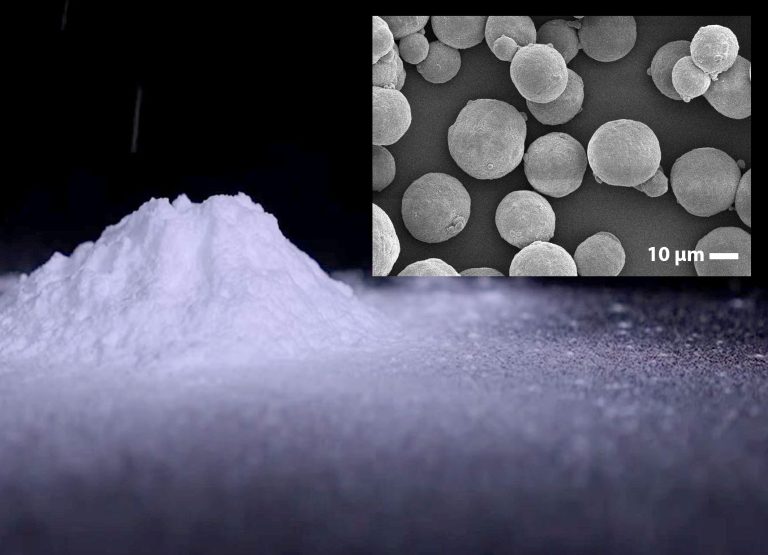
Spherical Mipelon UHMW-PE fine powder from Mitsui Chemicals can substitute PTFE as a modifier for the sliding properties of thermoplastics, rubbers, paints and coatings as well as oils and greases.Mitsui Chemicals
The spherical UHMW-PE fine powder Mipelon from Mitsui Chemicals Europe offers a high-performance alternative to PTFE in terms of sliding properties, abrasion resistance and chemical resistance in plastics, rubbers, paints and coatings. The limiting factor in the substitution of PTFE is the lower melting temperature of UHMW-PE, which is around 135 °C. While Mipelon can generally be used at temperatures of up to 120 °C, the speciality grade PM200C is suitable as an additive in hydrocarbon oil for temperatures of up to 200 °C. Unlike PE powder, it does not tend to swell even at higher temperatures and retains its shape and function. It is also characterised by improved dispersing behaviour in plastic masterbatches.
In many cases, the same dosage results in a lower coefficient of sliding friction and improved abrasion resistance than with PTFE, which enables economical use. In addition, the density of 0.97 g/cm³, which is around half as high compared to PTFE, supports weight reduction. Mitsui Chemicals Europe sells Mipelon directly and via its distributor Dreyplas, which also supports customer-specific new and further developments.
Mipelon, whose molecular weight is around 2 million g/mol, is characterised by the very small size of the special spherical particles. The average particle size (D50) for the PM- 200 type is around 10 µm, which is currently the smallest size in the world for this product group. For the XM-220 type, the D50 value is around 30 µm and for XM-330 it is 65 µm. The coarse particle grades are used for the modification of rubbers and plastic compounds and as filters. In contrast, the finer powder grades are ideal for paints and coatings. Mitsui Chemicals in Japan is currently developing powder grades with a D50 value of less than 5 µm and around 6 µm. The latter is already available for sampling. Commercial availability is planned for the end of 2025.
In general, the spherical particles with their smooth surface and narrow particle size distribution support very good dispersion. The particle size distribution of Mipelon is significantly narrower than that of PTFE, and it also has a considerably lower proportion of coarse particles. In addition, the material exhibits lower coefficient of friction (COF) and abrasion values under long-term stress not only compared to PTFE but also compared to PA11 and PA12 as well as PE waxes.
Mipelon is also characterised by its high chemical resistance to acids, alkalis and organic chemicals. In addition, it absorbs virtually no water or moisture. Most types are suitable for food contact applications in accordance with EU and US legislation.
Due to this broad spectrum of properties, typical applications range from coatings, including electrostatic powder coatings, water- or solvent-based spray coatings and dip coatings, to the modification of rubber and thermoplastics. Examples of applications include rubber-coated rollers, coatings of rubber profiles for the automotive industry, polymer compounds, anti-blocking for films instead of zeolites and silicon, oils and greases with emergency lubrication.
Together with customers, Dreyplas and Mitsui Chemicals Europe are developing solutions to replace PTFE with UHMW-PE and to optimise tribological properties. This also includes the use of Lubmer UHMW-PE, which is available in granulate form and has been developed by Mitsui Chemicals for extrusion and injection moulding applications.












 Can you share with us the primary objectives of APP and how the association has evolved over the years?